Repentance & Conversion
“For what shall it profit a man, if he shall gain the whole world, and lose his own soul?”
—Mark 8:36
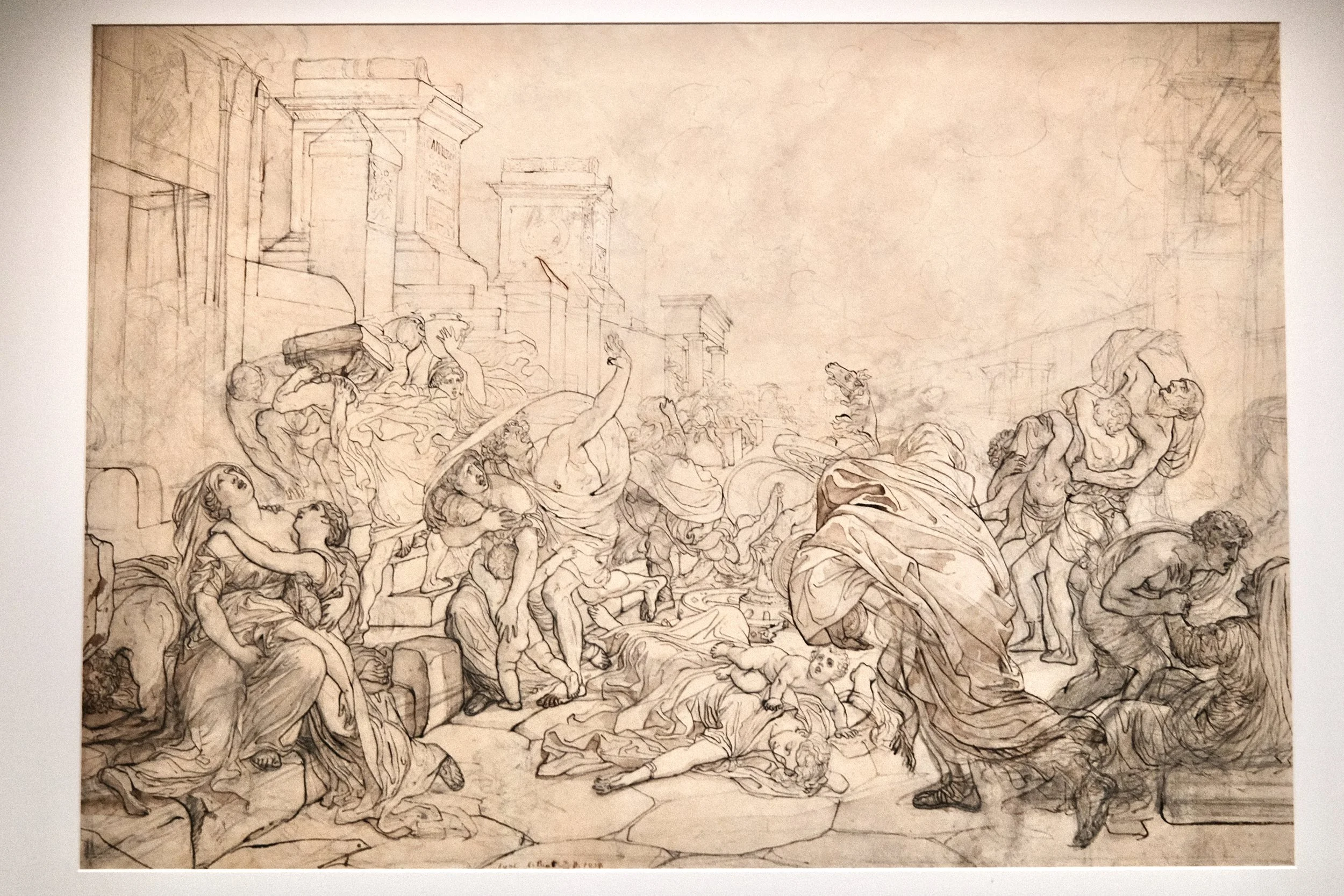
Upon receiving his portion of the inheritance, the younger son travels to a distant country, where he squanders his wealth through reckless living. He runs out of money just before a severe famine strikes the land, leaving him desperately poor and forced to take a filthy and low-paying job as a swineherd. He reaches the point of envying the food of the pigs he is feeding. At this time, he finally comes to his senses:[ii]
And when he came to himself, he said, How many hired servants of my father's have bread enough and to spare, and I perish with hunger! I will arise and go to my father and will say unto him, Father, I have sinned against heaven, and before thee, and am no more worthy to be called thy son: make me as one of thy hired servants. And he arose and came to his father. But when he was yet a great way off, his father saw him, and had compassion, and ran, and fell on his neck, and kissed him.
— Luke 15:17–20, KJV
This implies that the father was watching hopefully for the son's return. The son starts his rehearsed speech, admitting his sins, and declaring himself unworthy of being his father's son but does not even finish before his father accepts him back without hesitation.[5] The father calls for his servants to dress the son in the finest robe and put a ring on his finger and sandals on his feet and to slaughter the "fatted calf" for a celebratory meal.
The older son, who was at work in the fields, hears the sound of celebration and is told by a slave about the return of his younger brother. He is not impressed and becomes angry. He also has a speech for his father:[iii]
And he answering said to his father, Lo, these many years do I serve thee, neither transgressed I at any time thy commandment: and yet thou never gavest me a kid, that I might make merry with my friends: but as soon as this thy son was come, which hath devoured thy living with harlots, thou hast killed for him the fatted calf.
— Luke 15:29–30, KJV
The parable stops with the father explaining that while the older son has always been present and that everything the father owns also belongs to the older son, because the younger son had returned, in a sense, from the dead, celebration was necessary:[iv]
It was meet that we should make merry, and be glad: for this thy brother was dead, and is alive again; and was lost, and is found.
— Luke 15:32, KJV




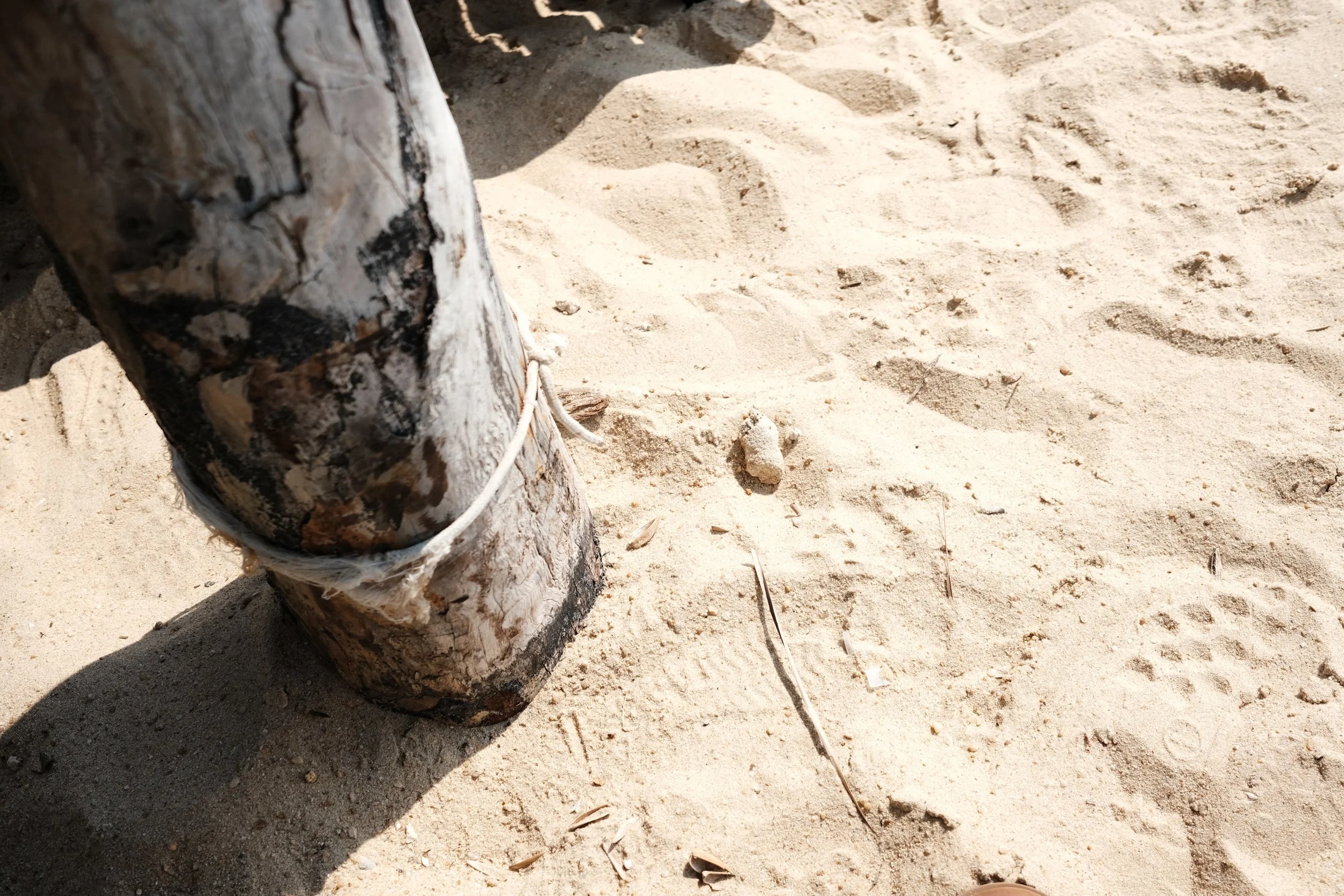






















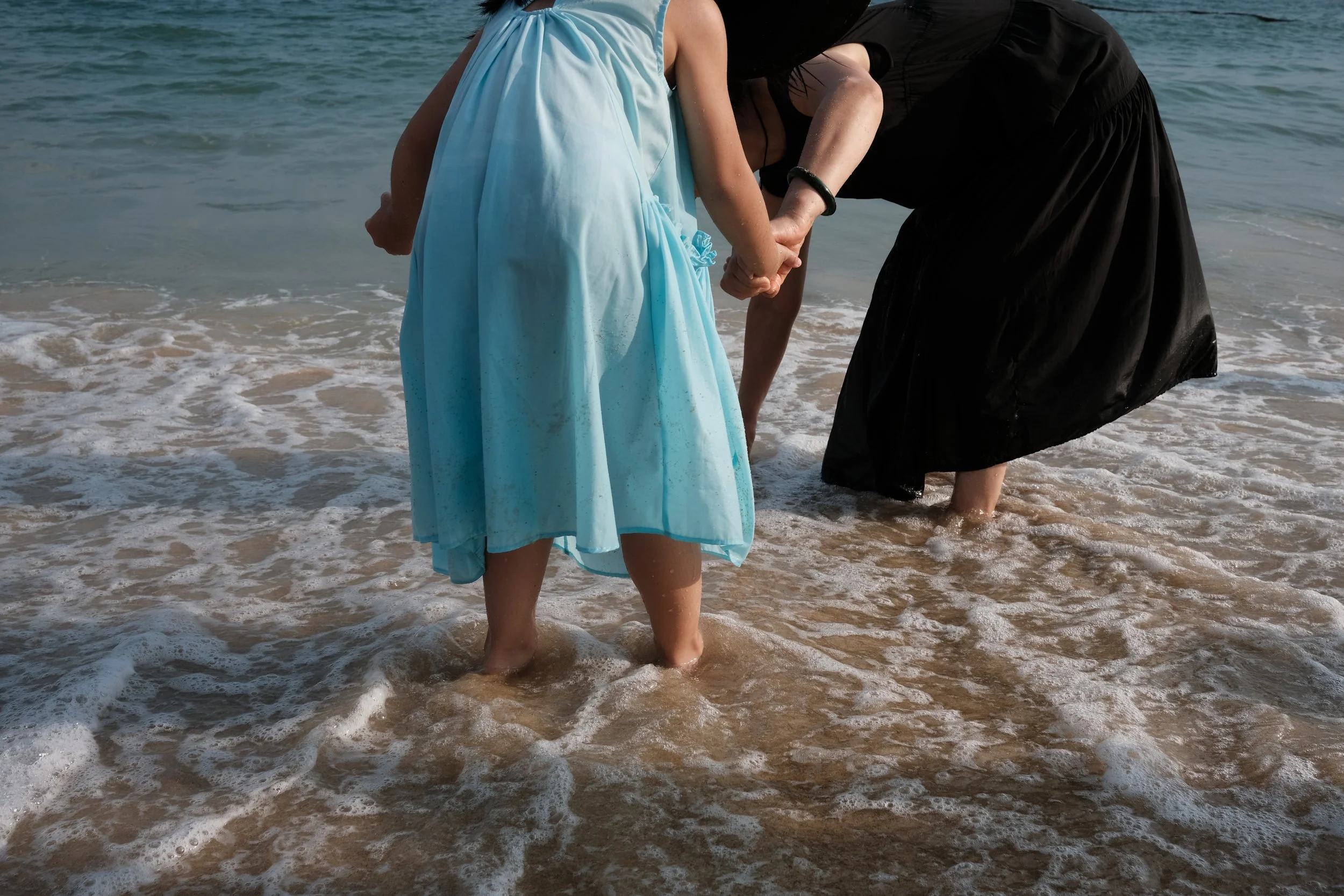





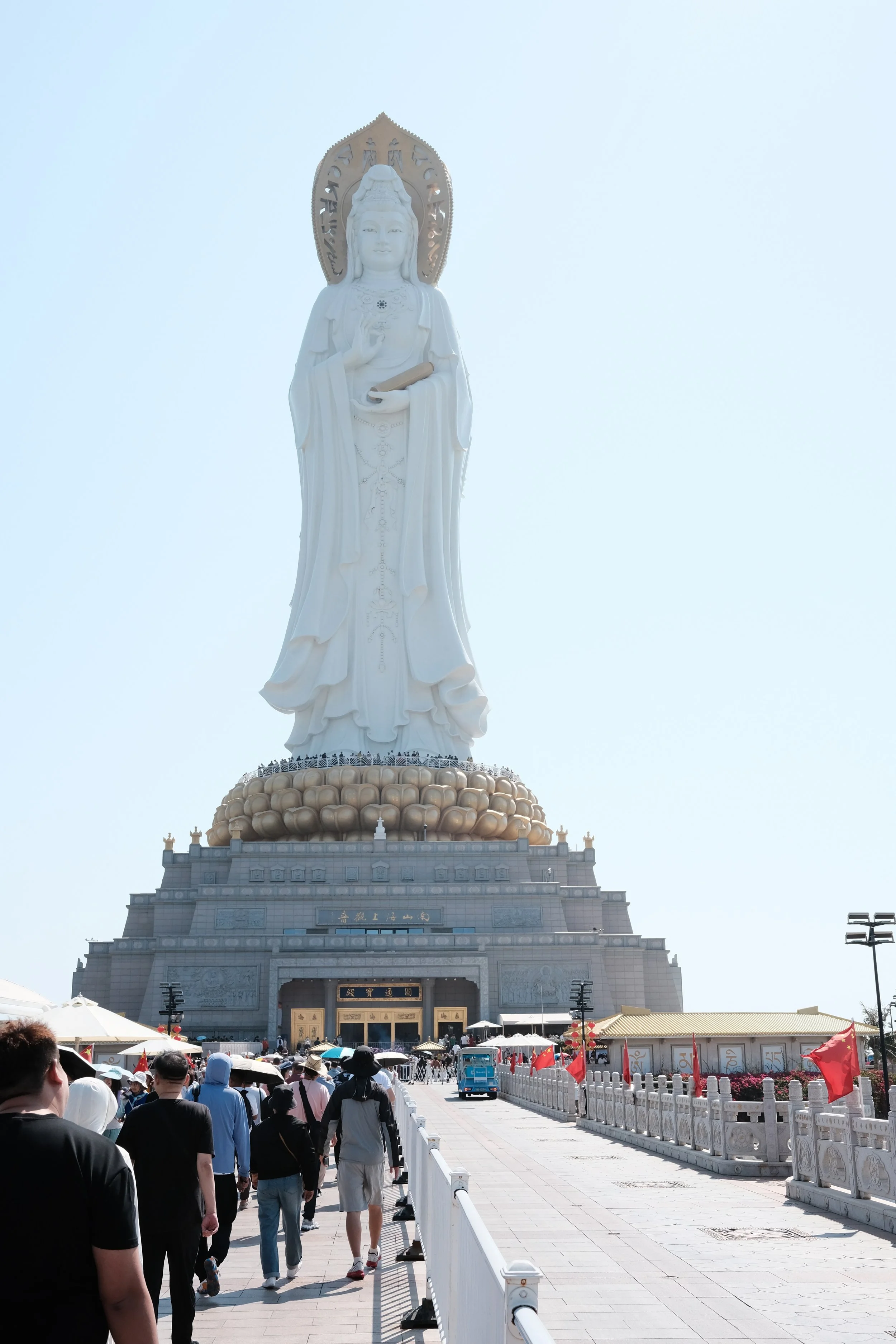

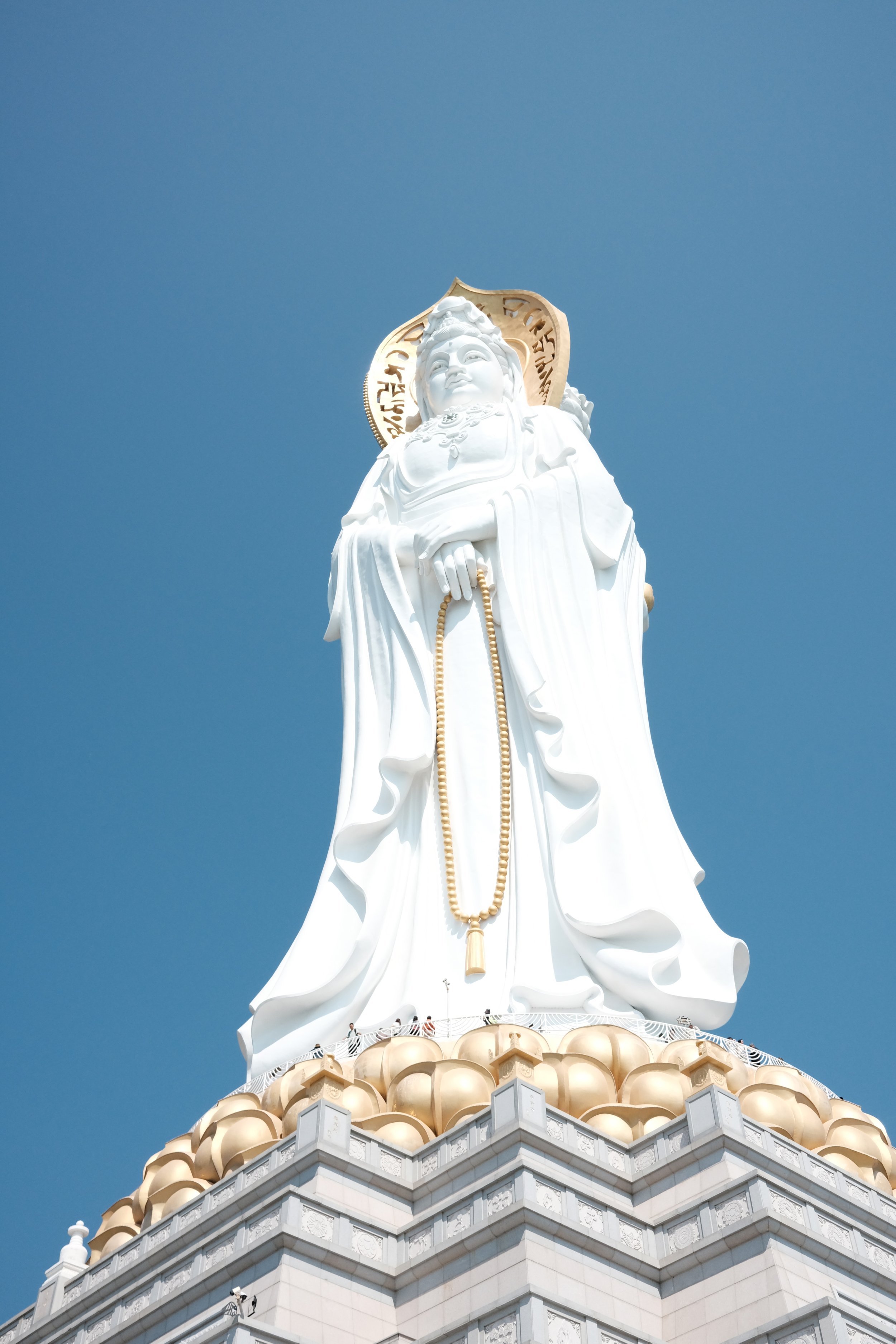

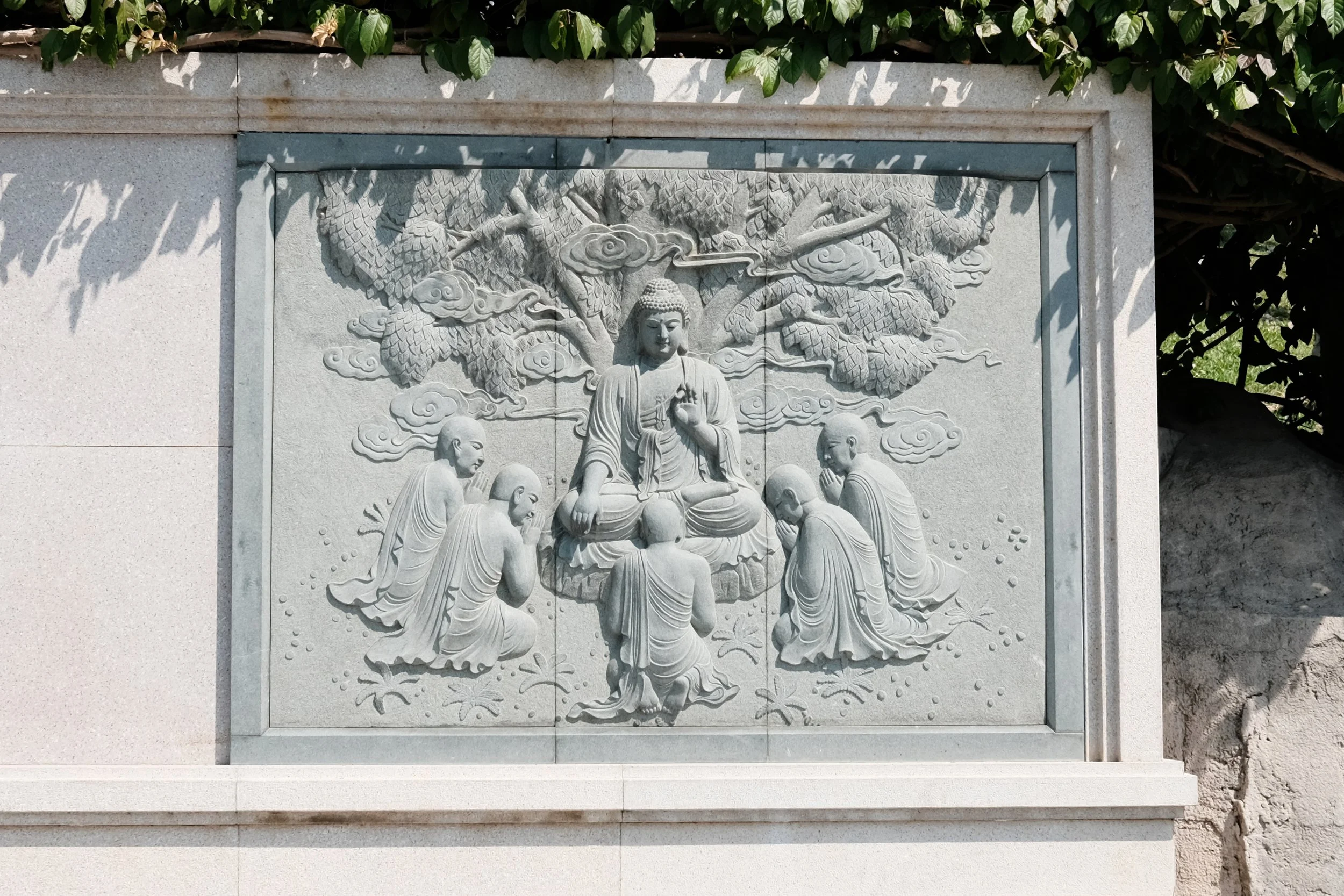










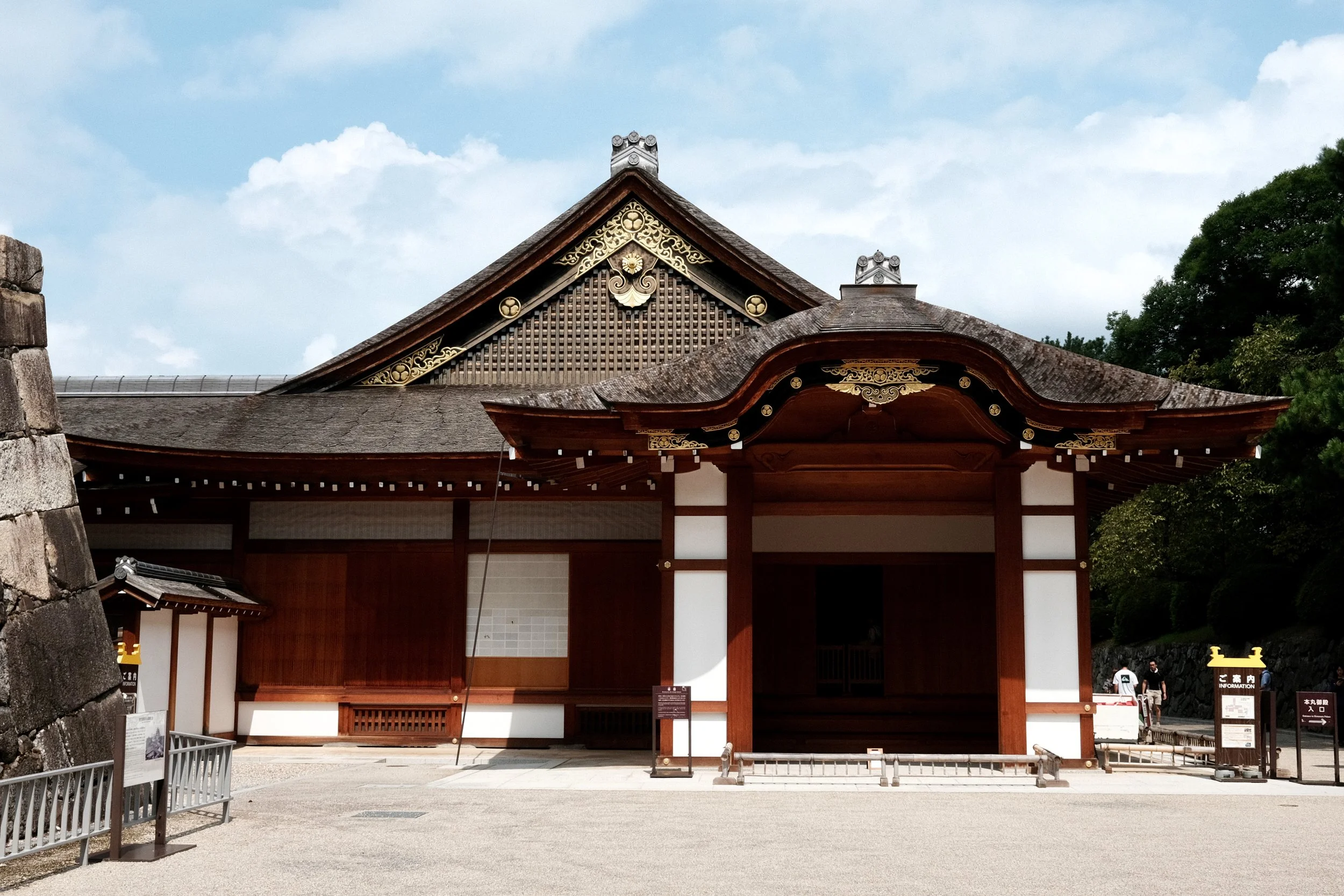



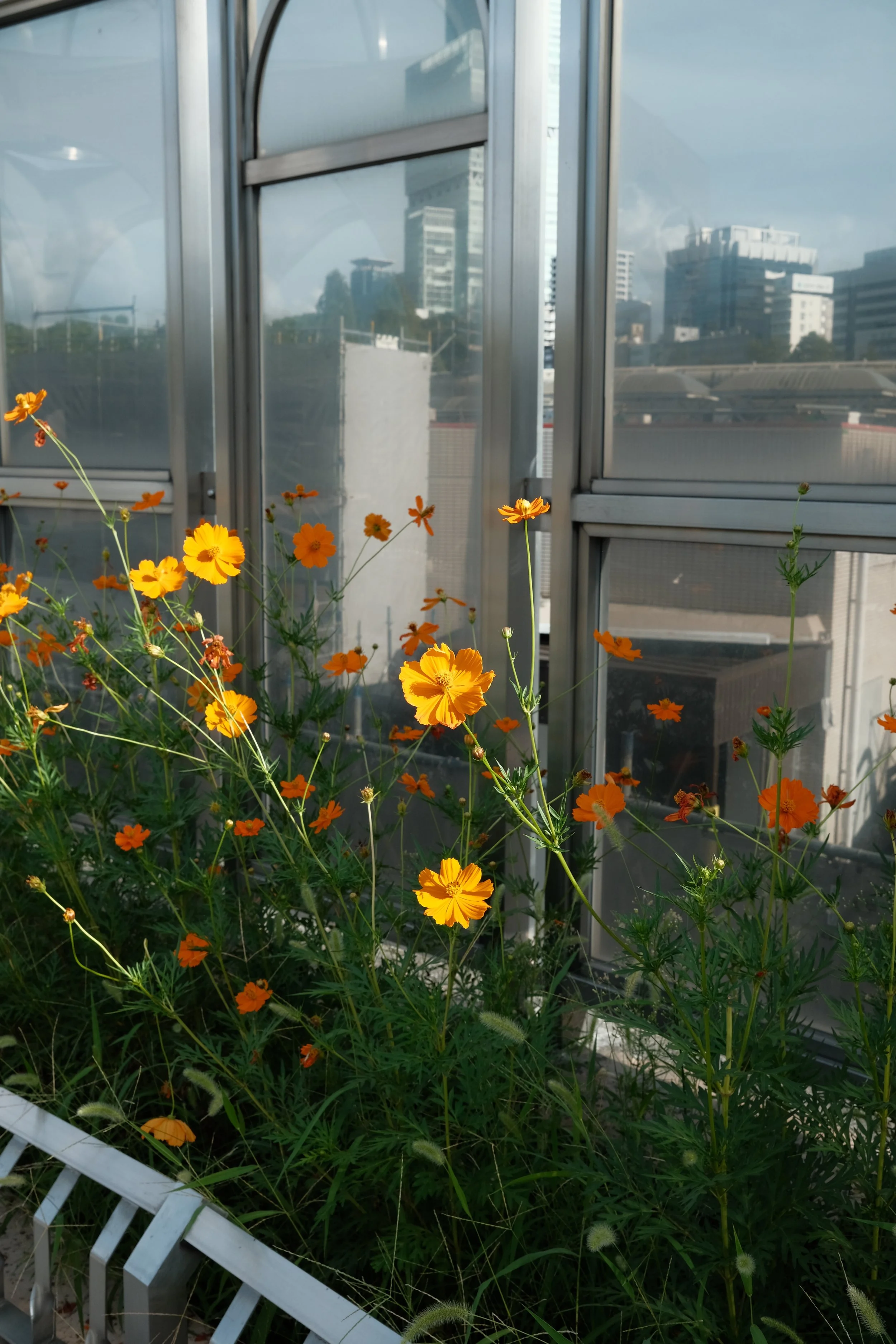
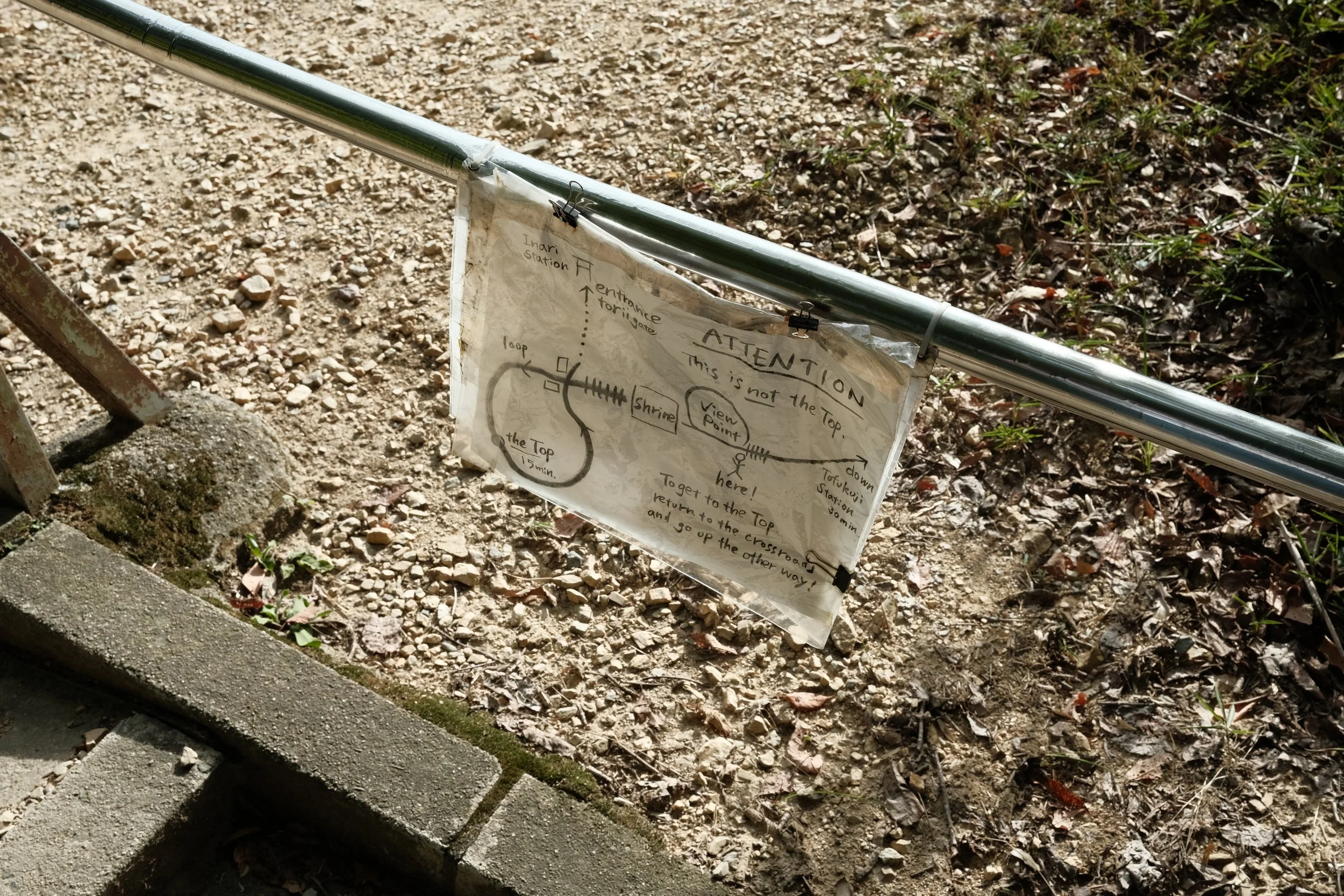




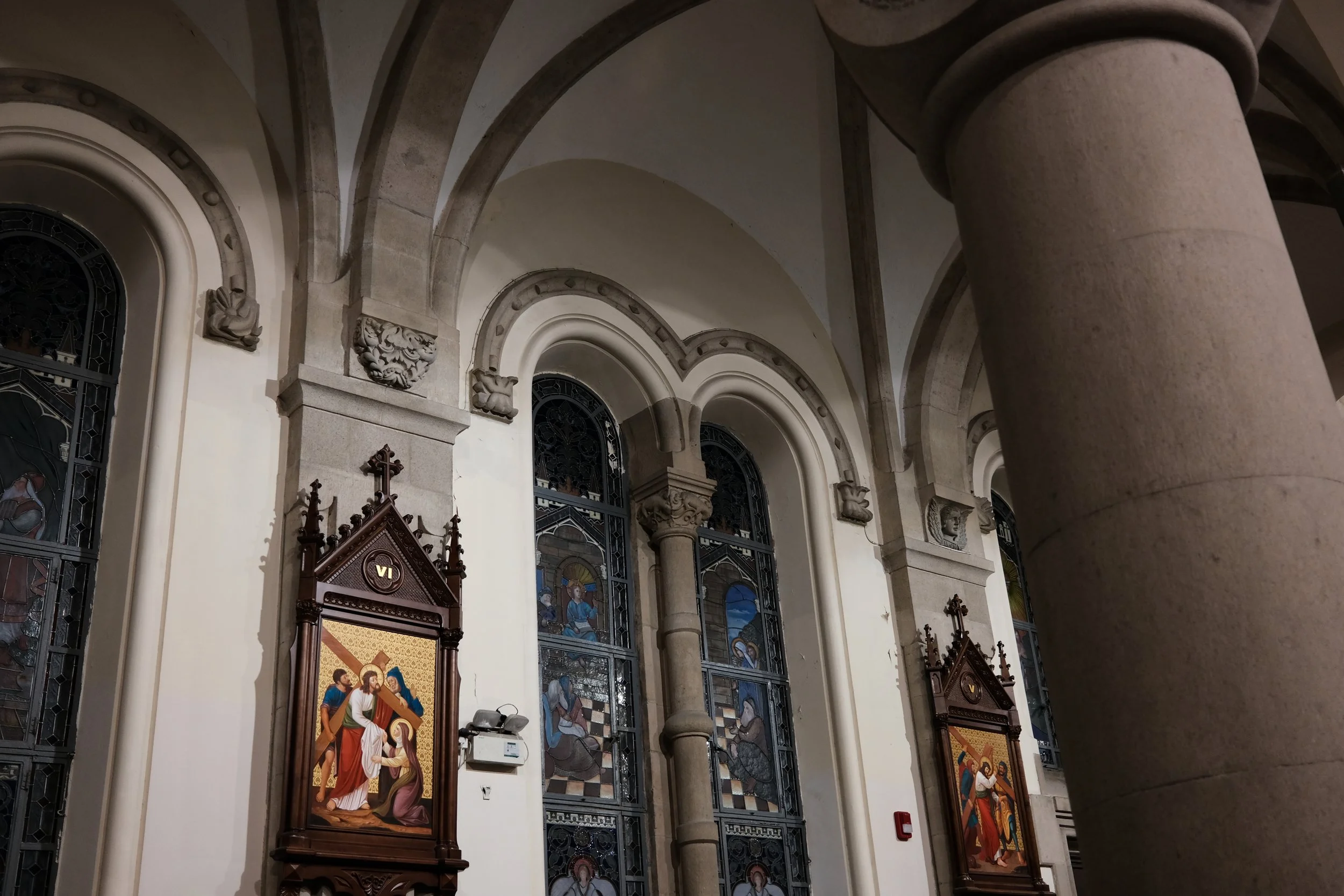






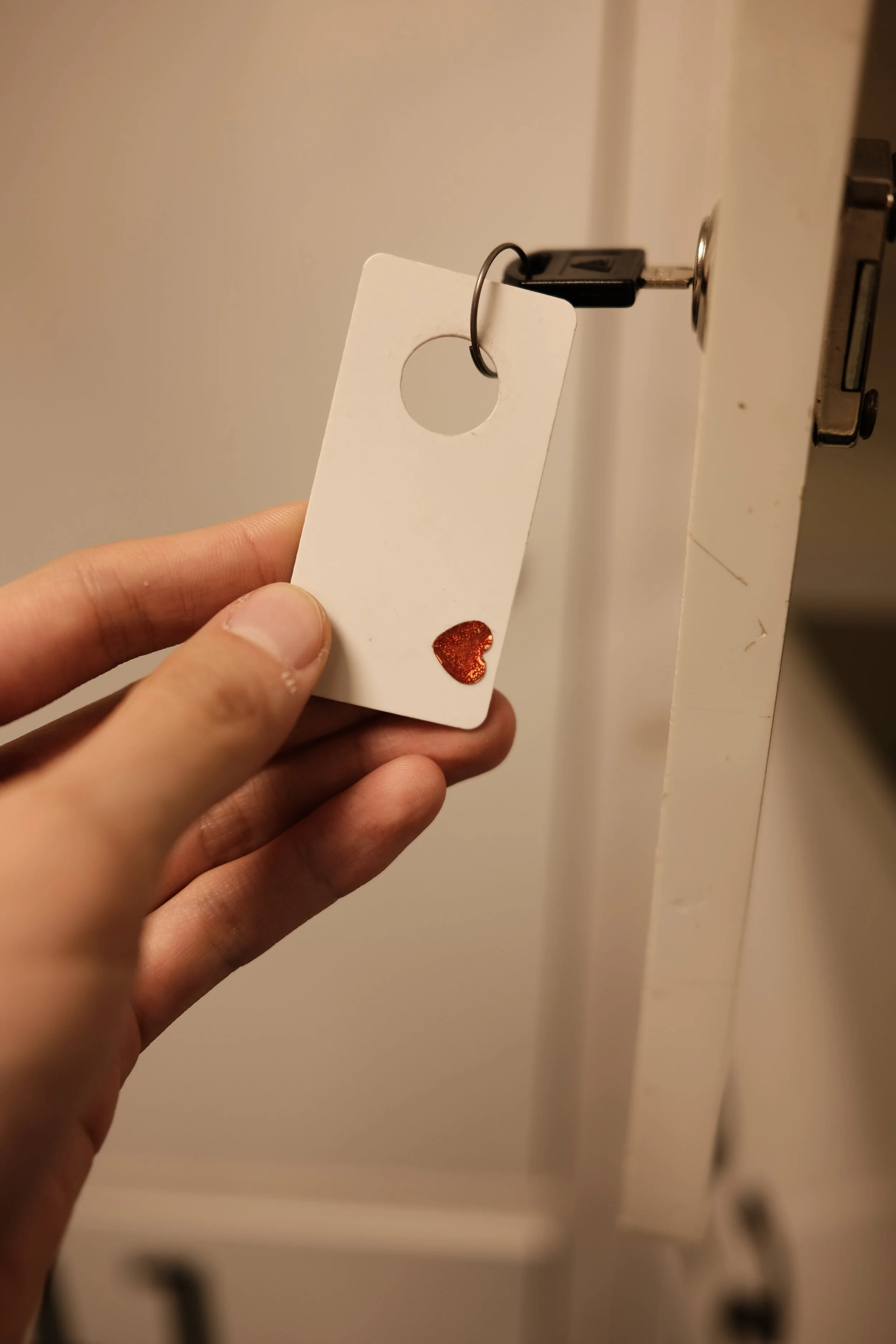






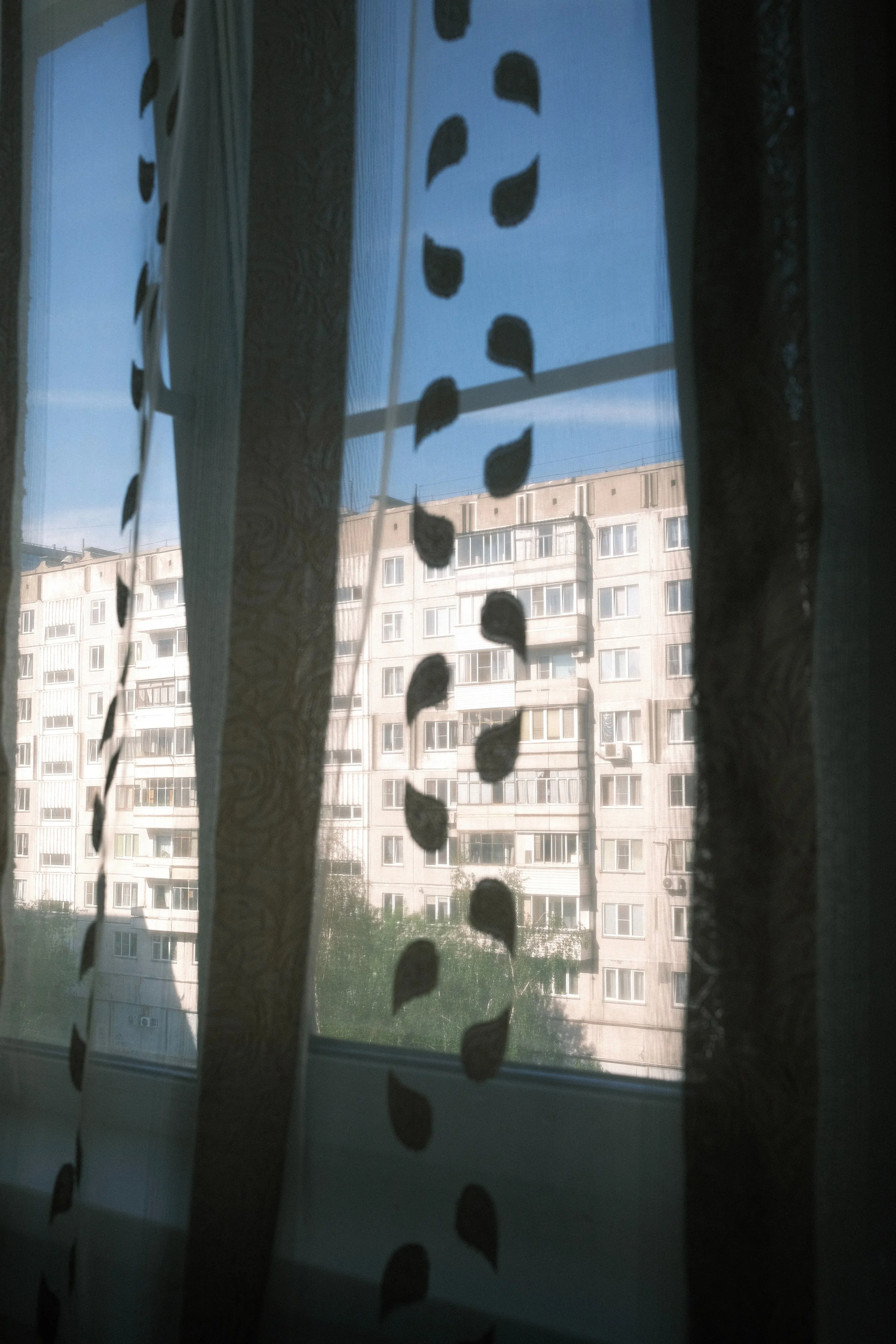


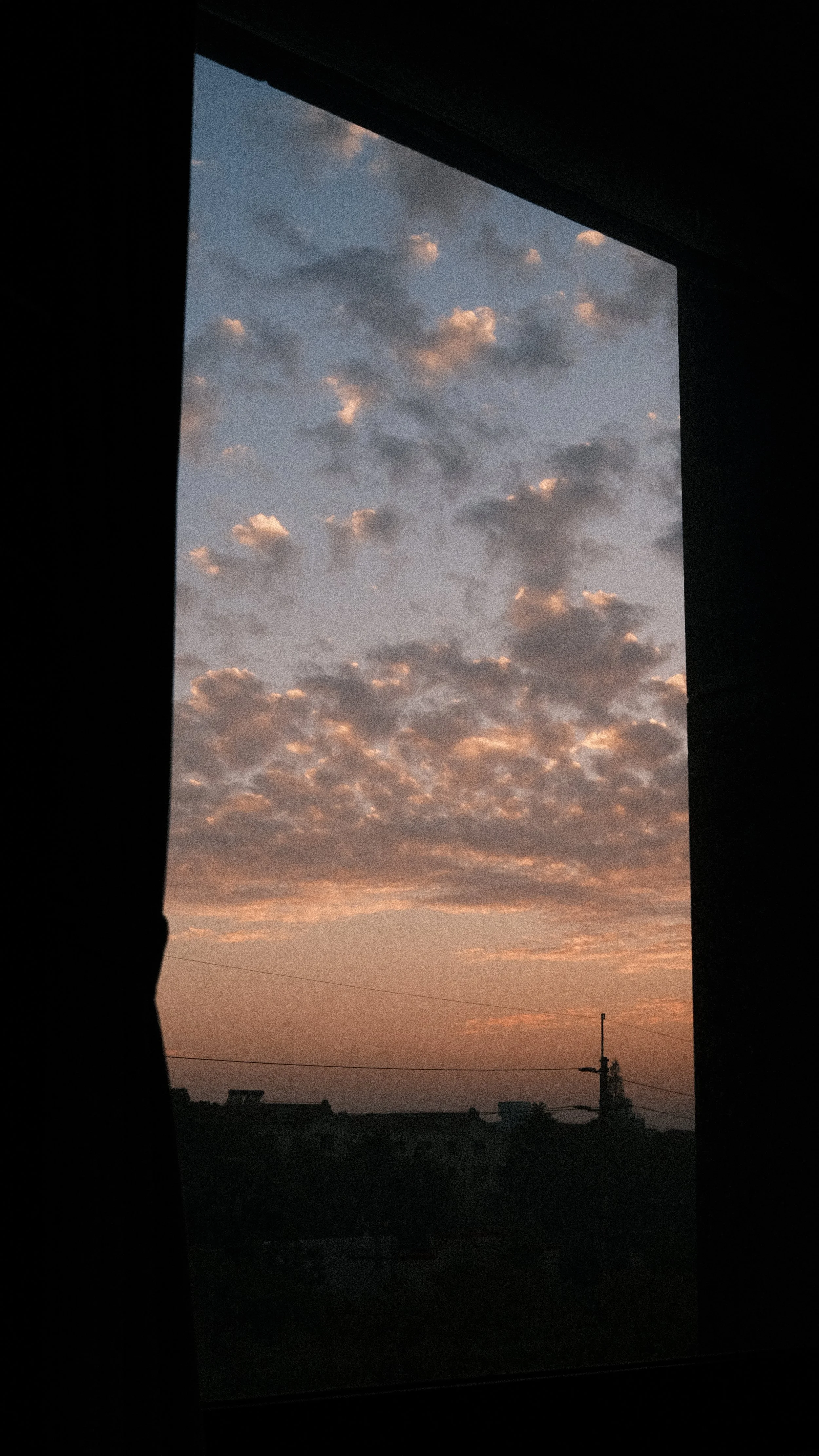








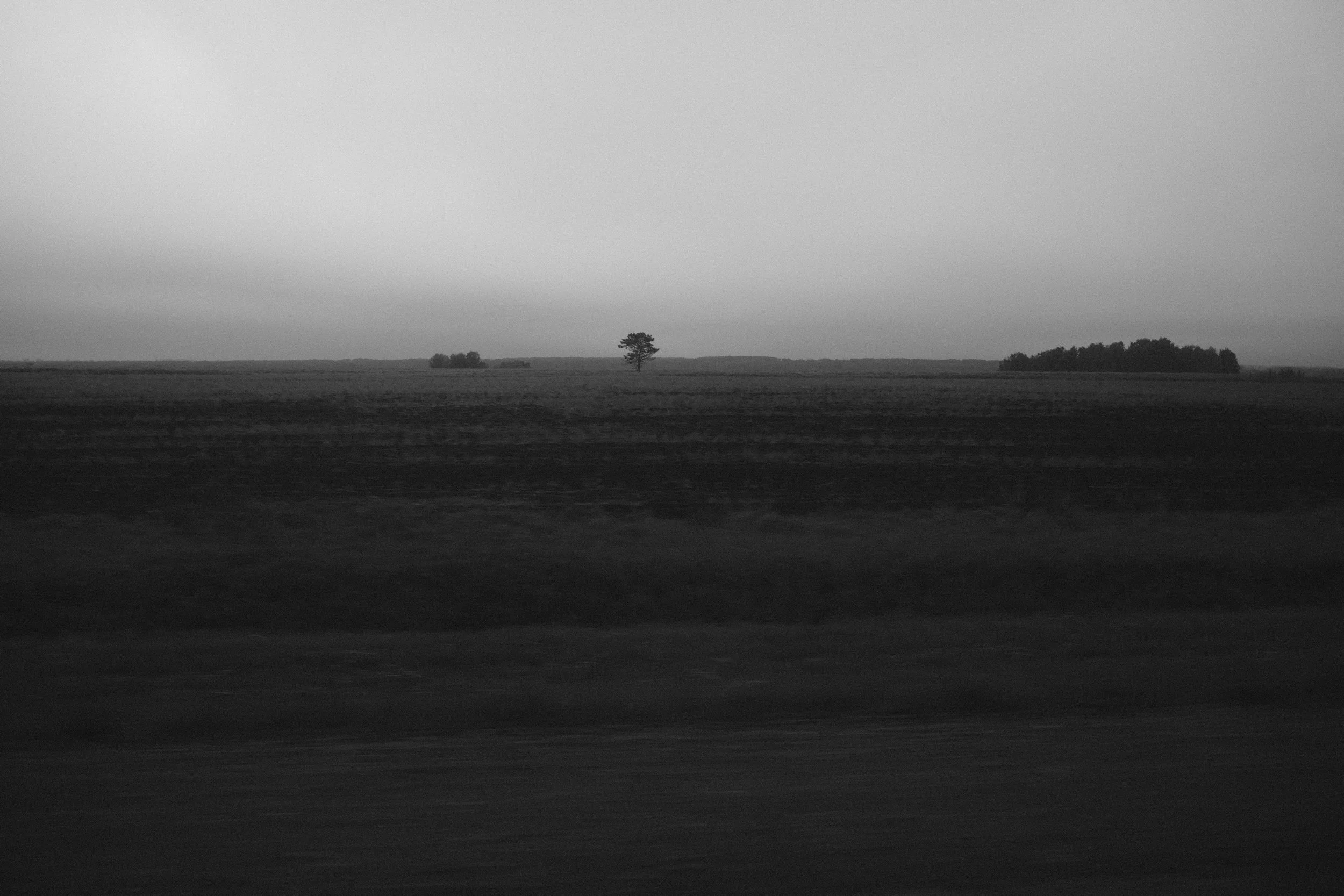







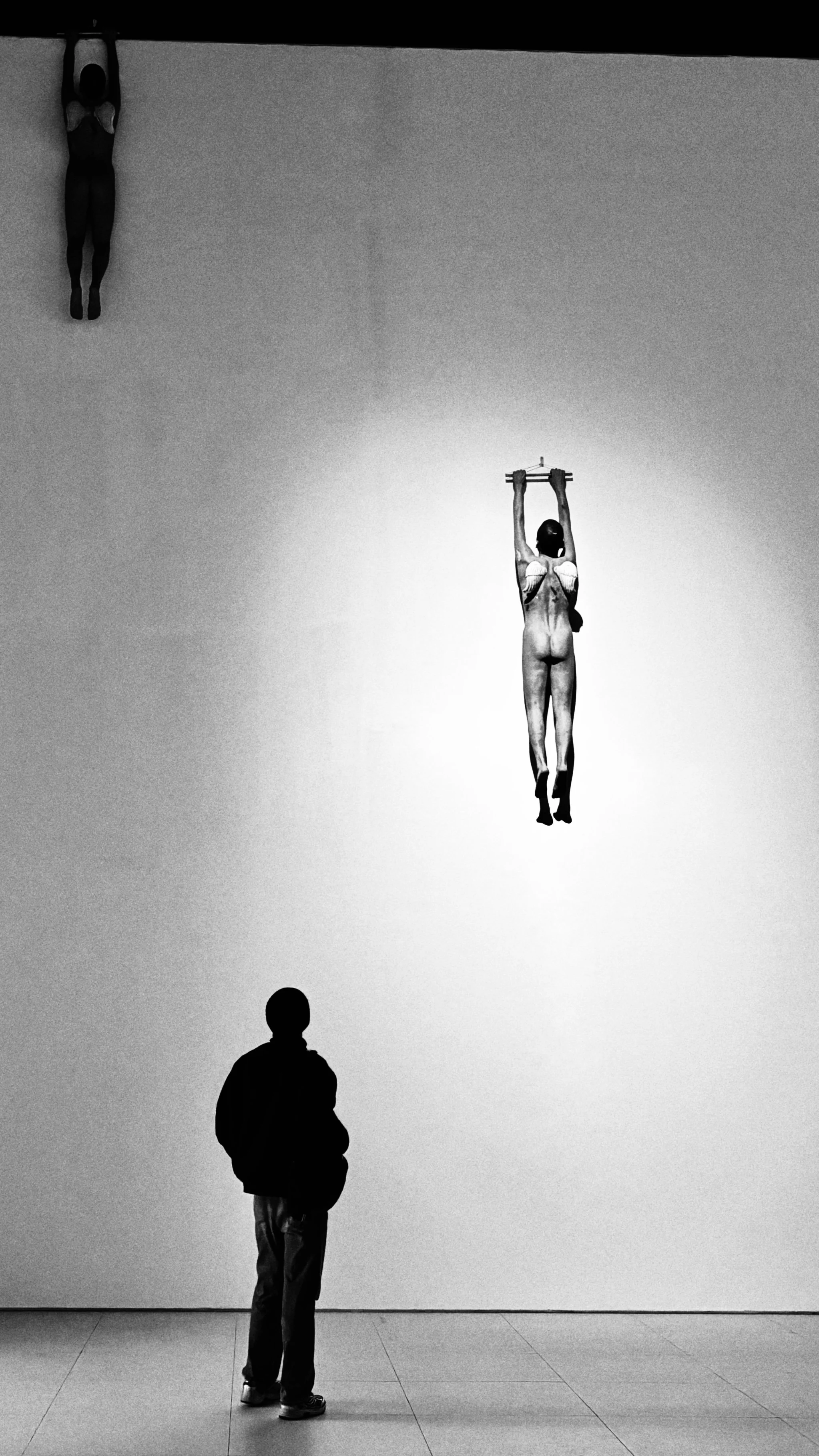

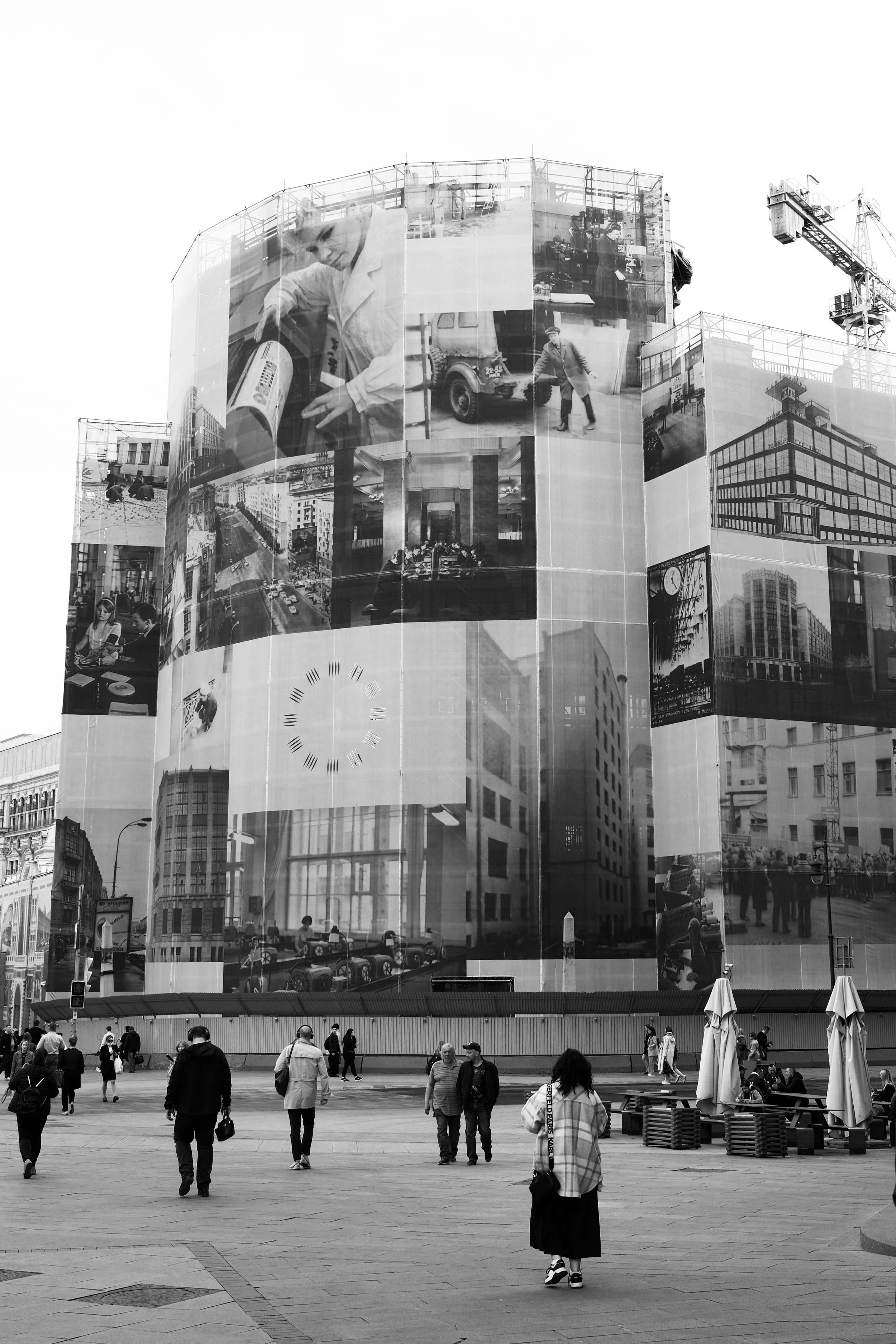
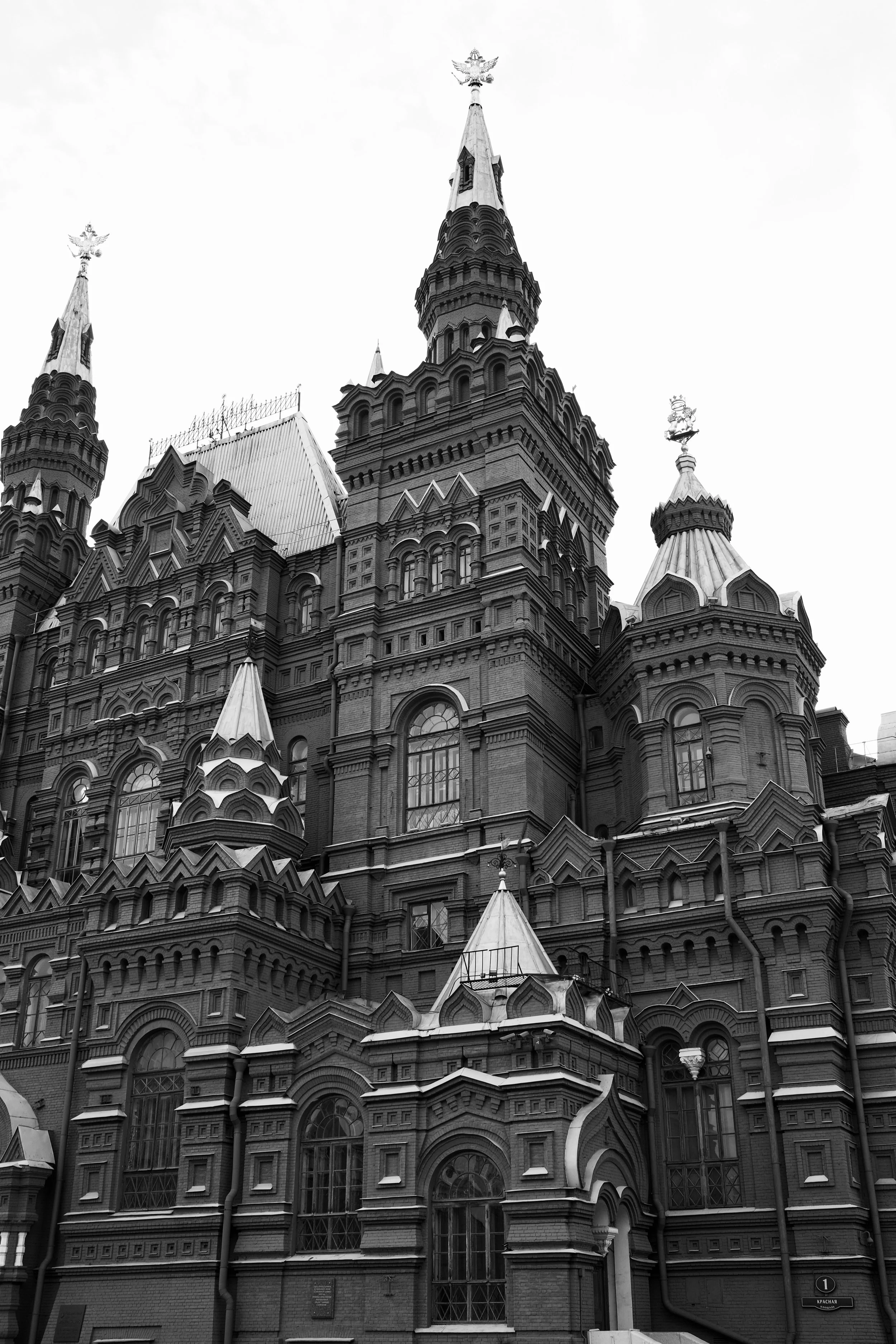


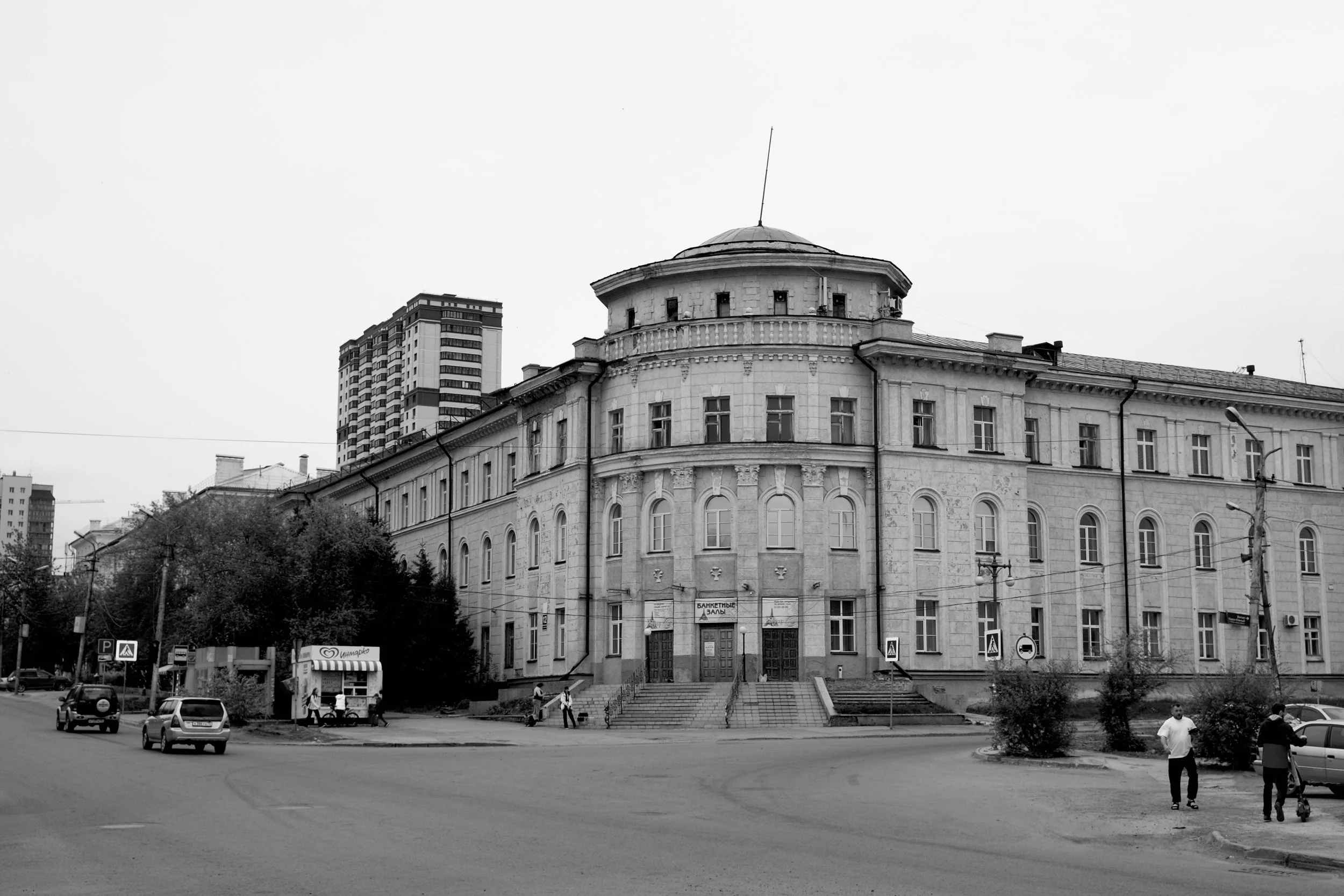
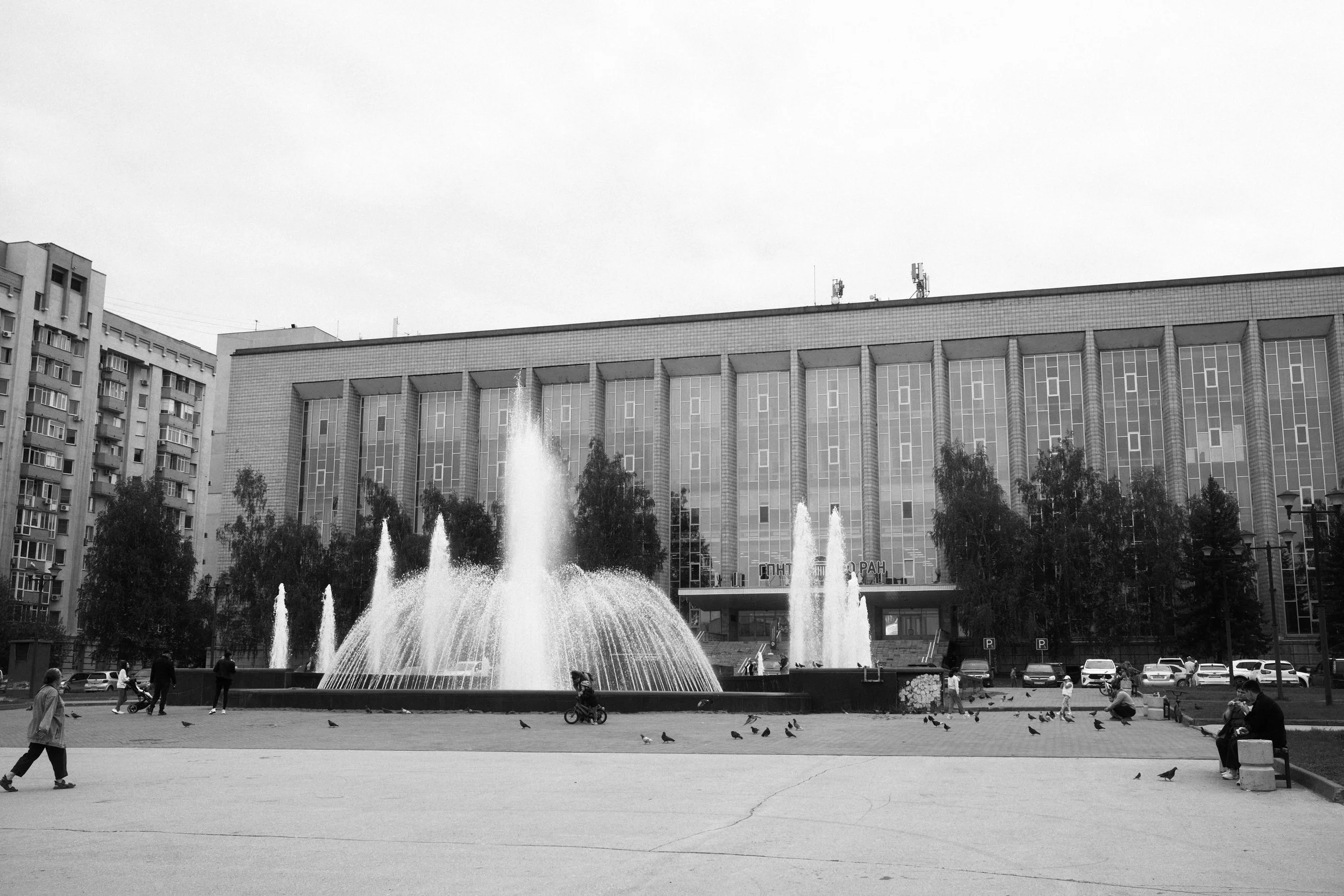
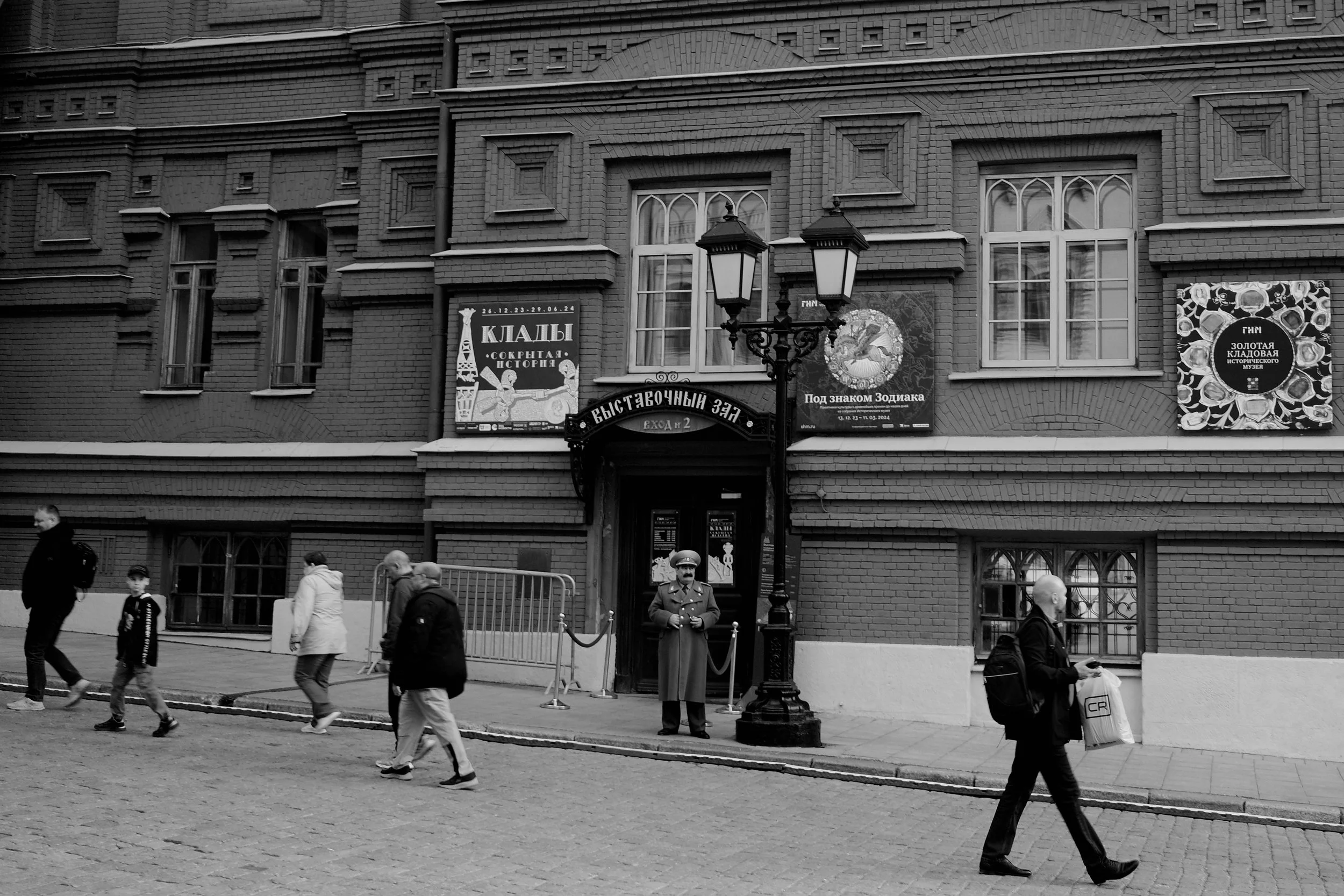

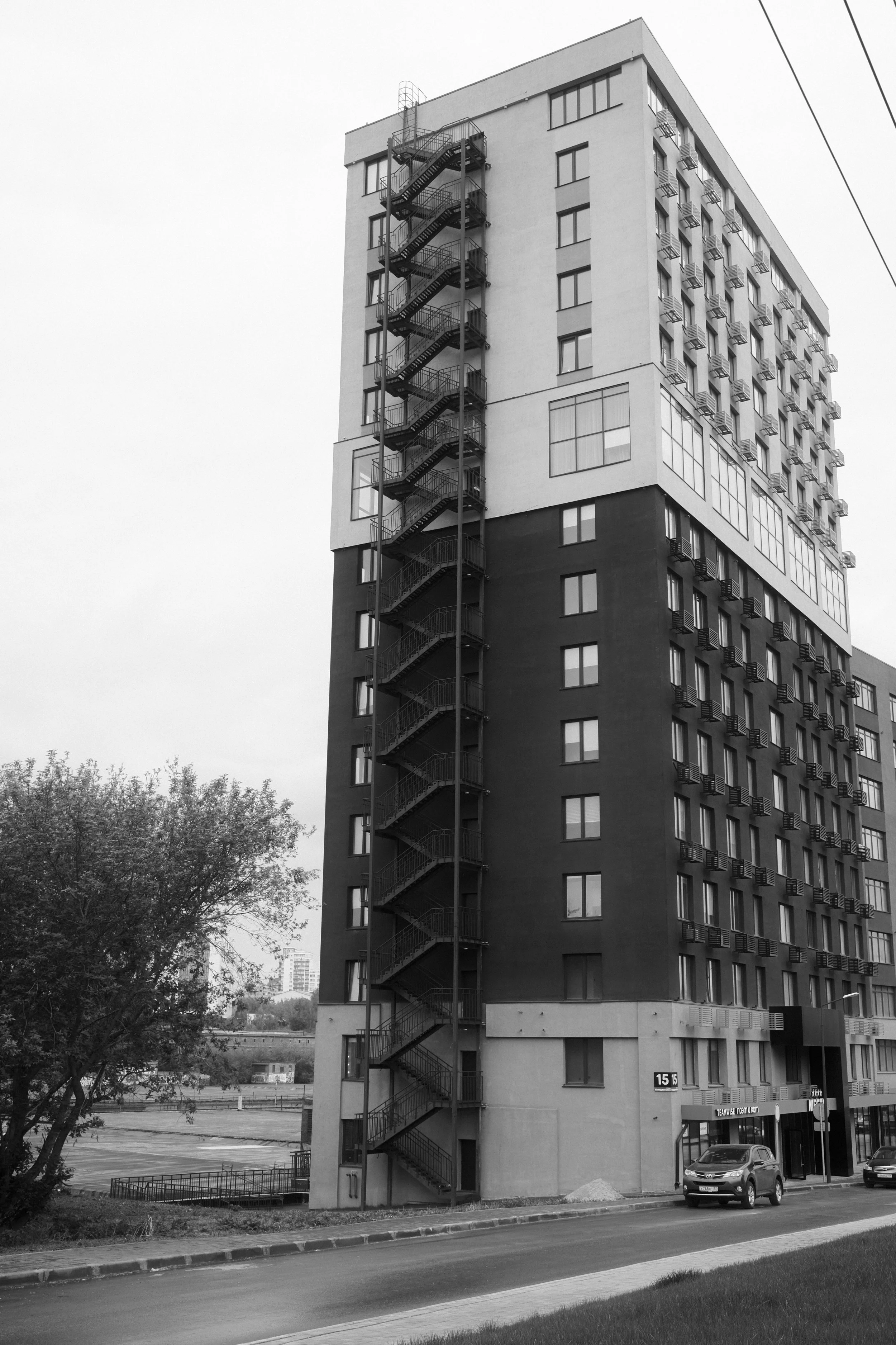
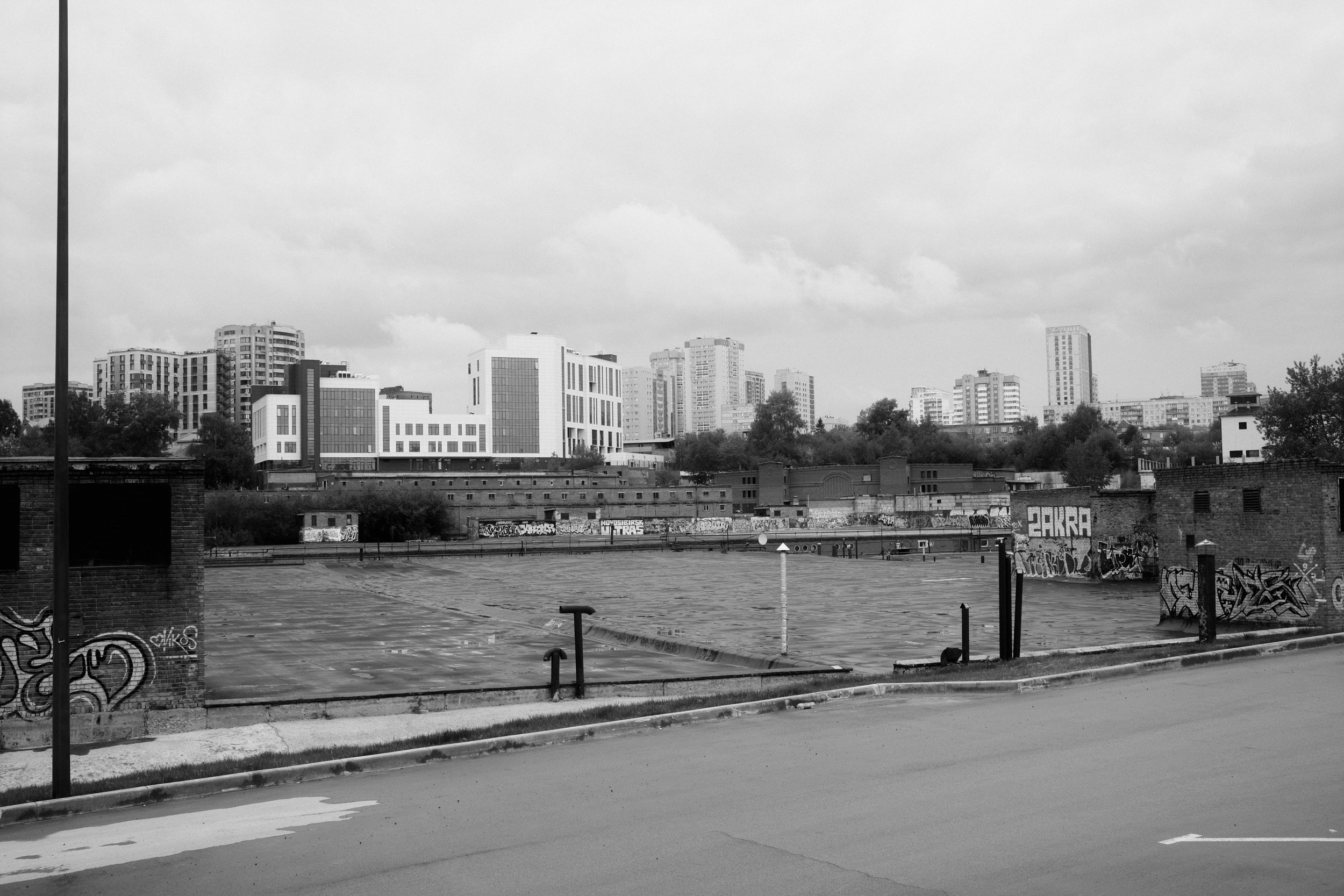
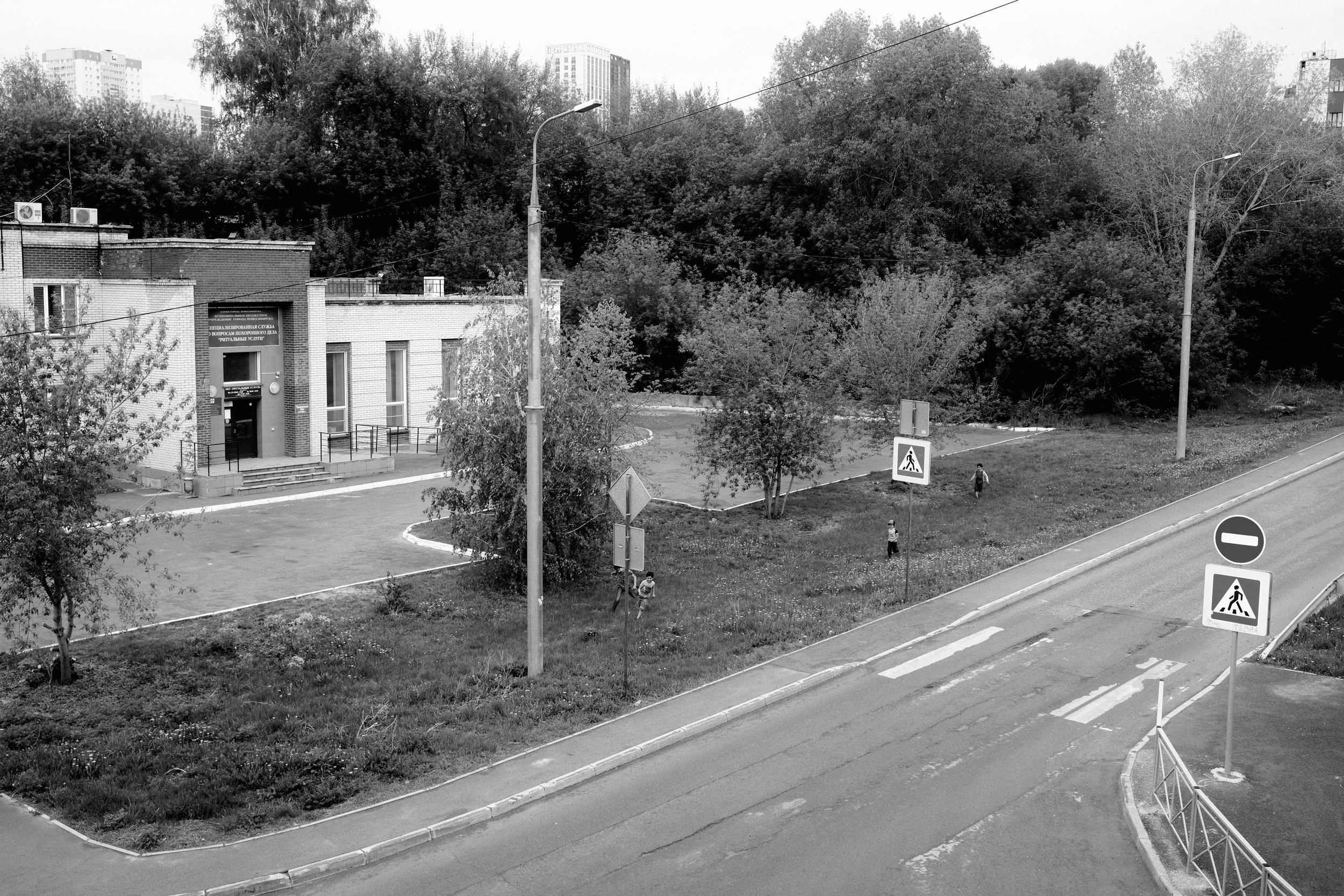
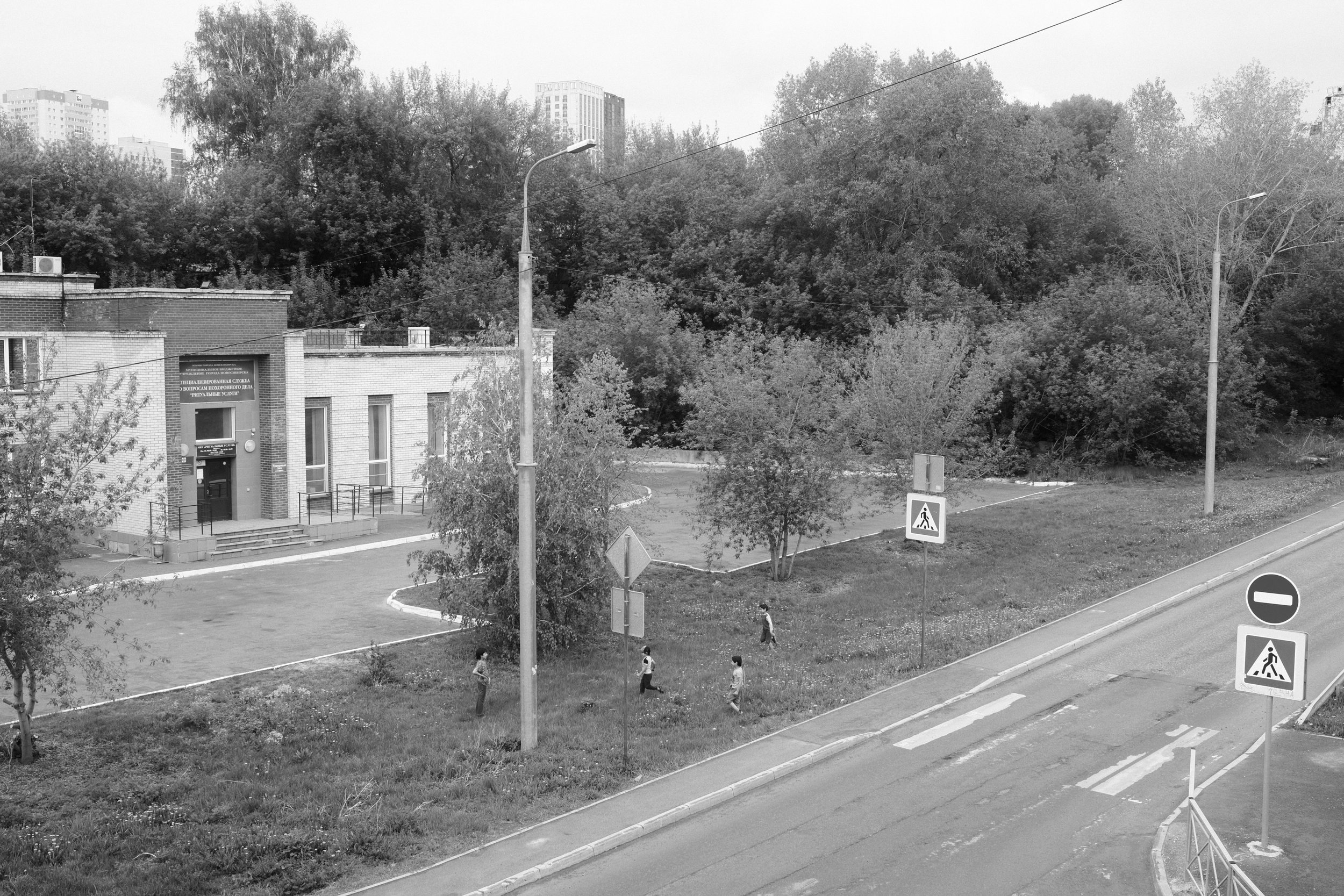

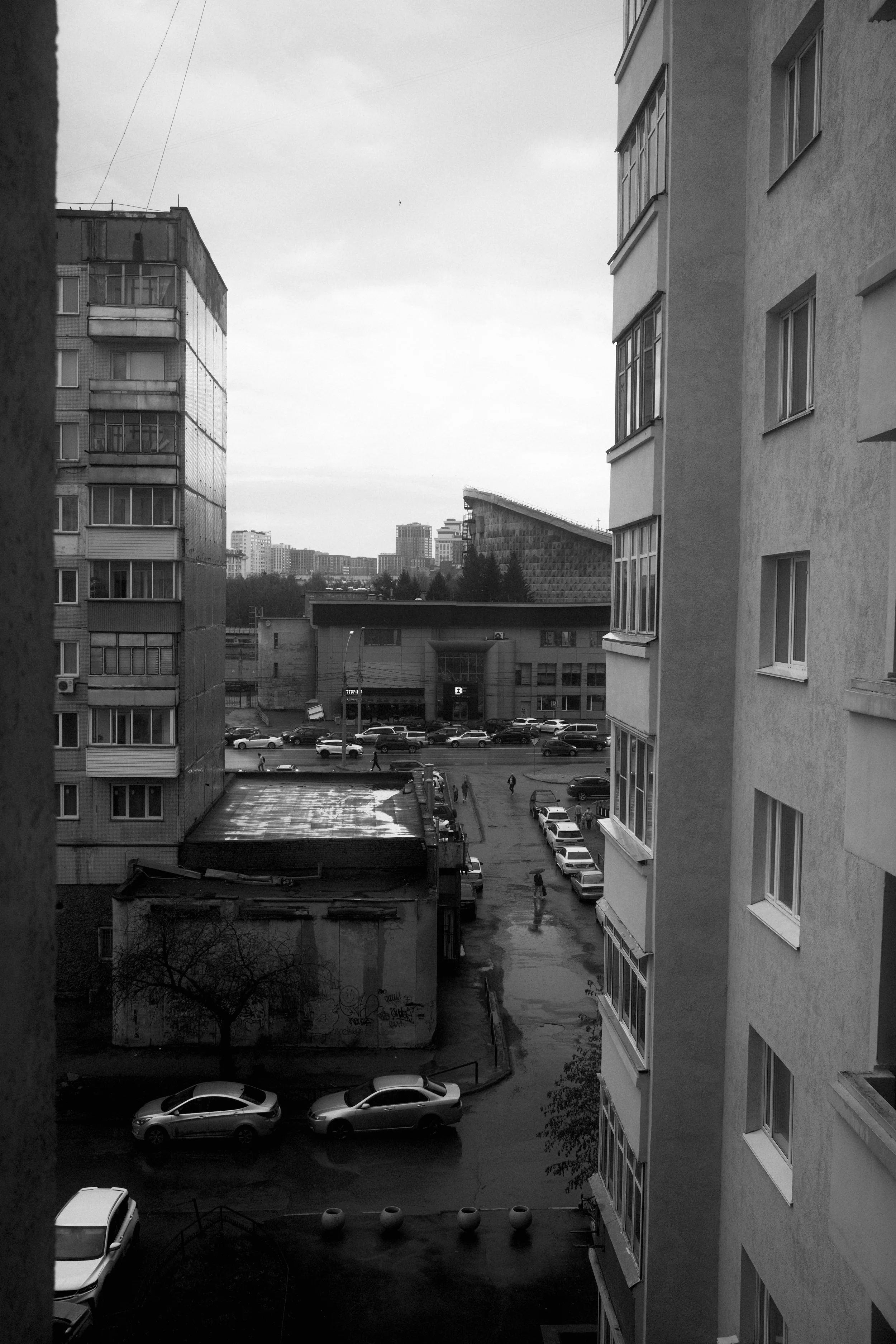



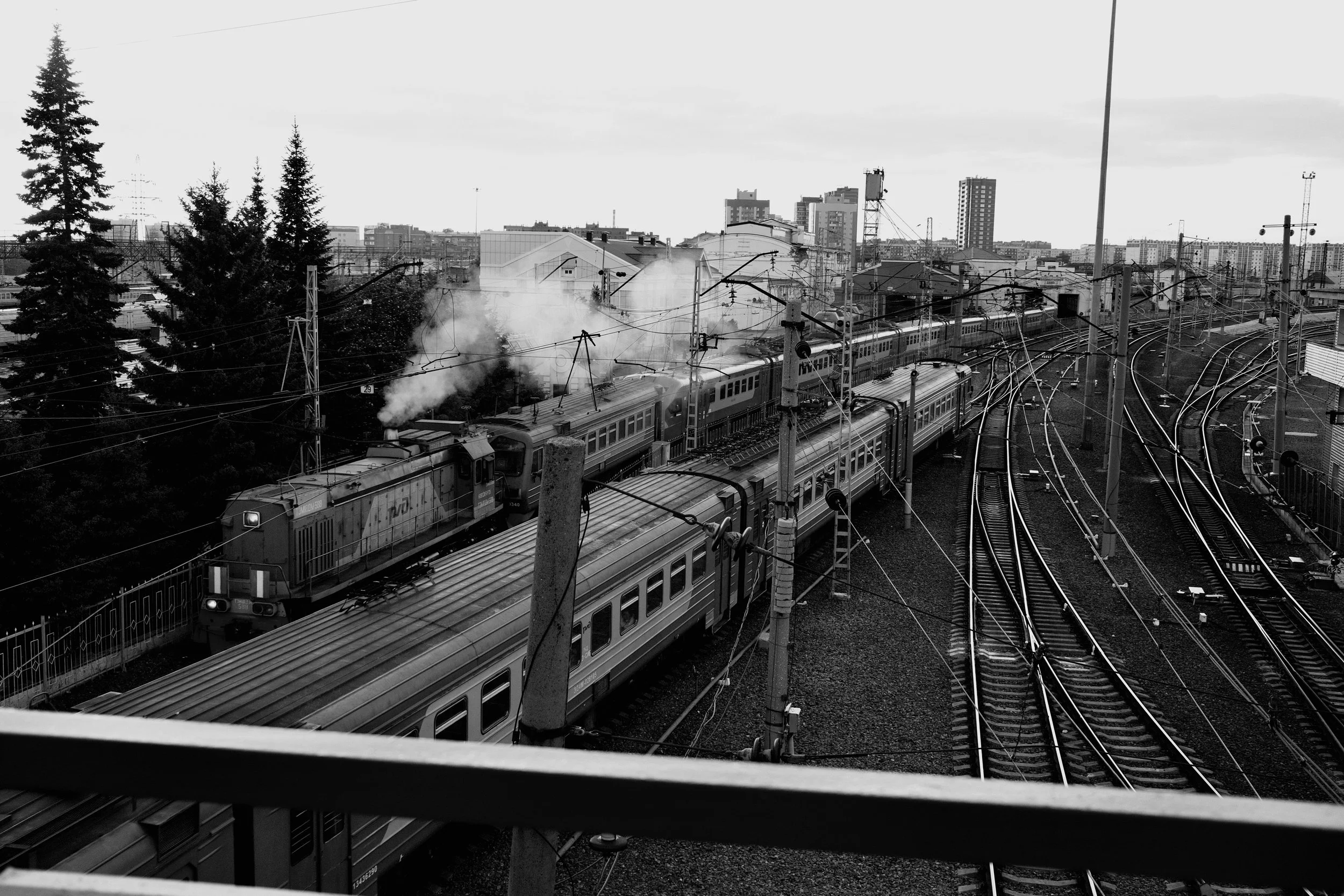
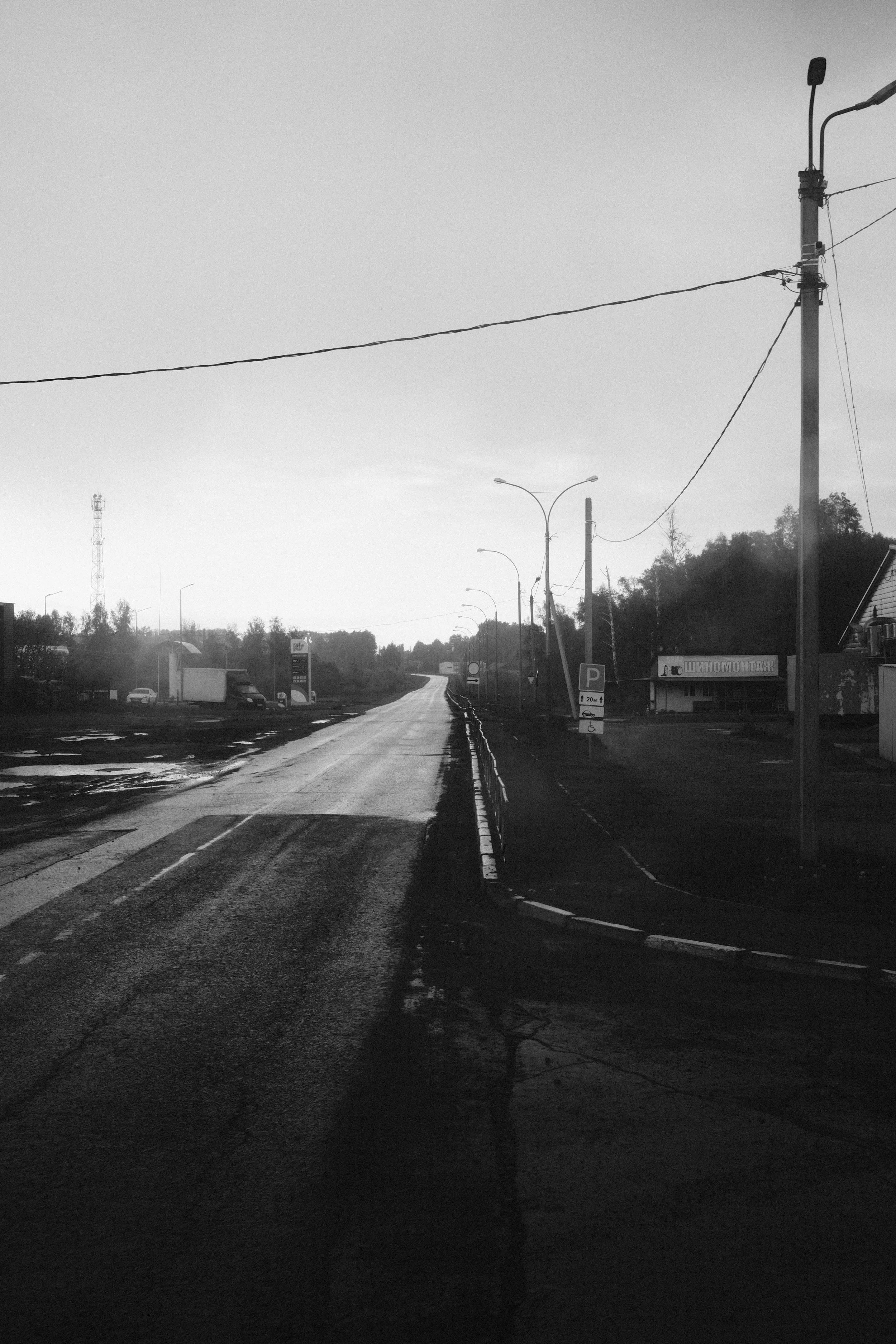
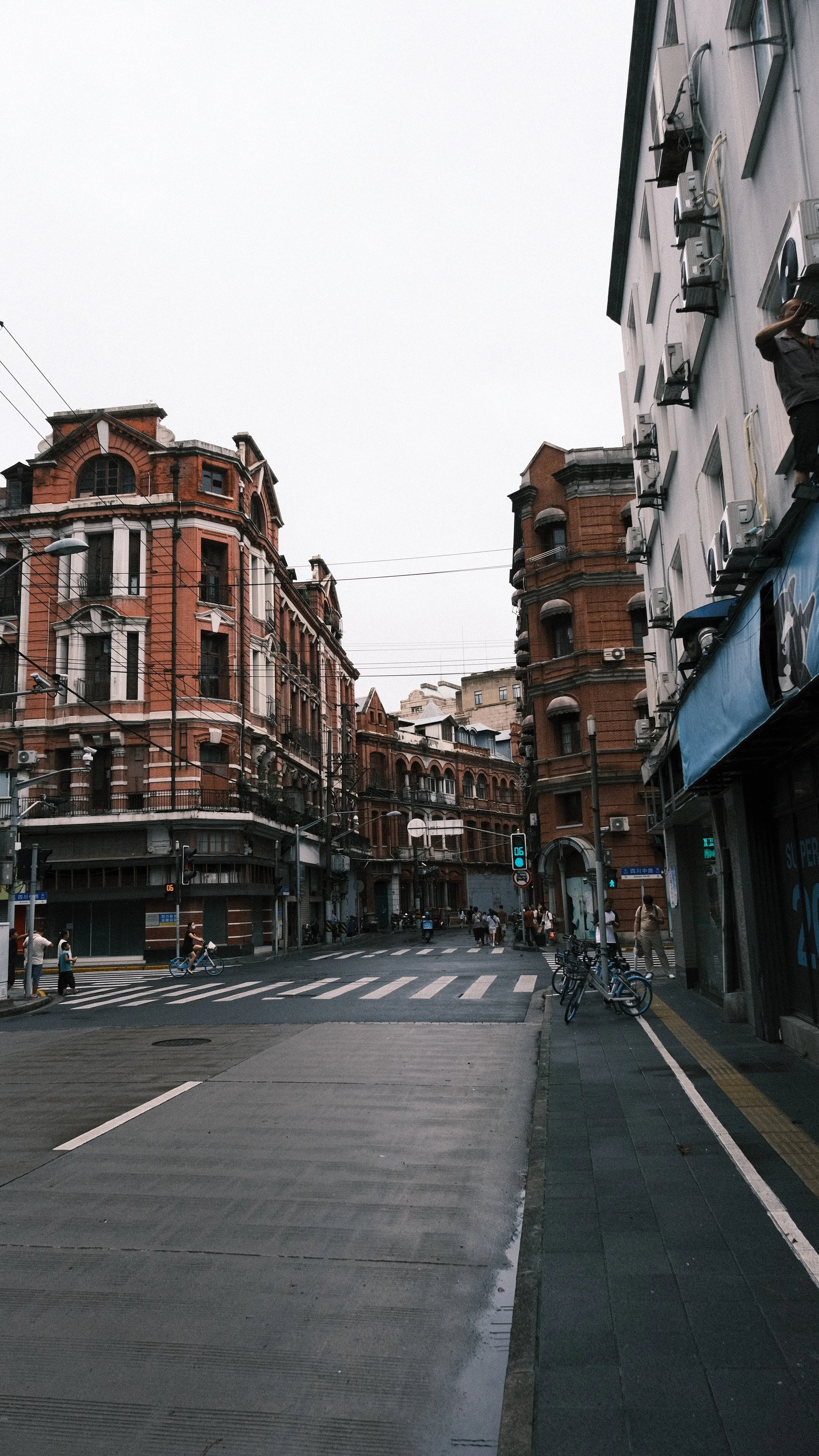




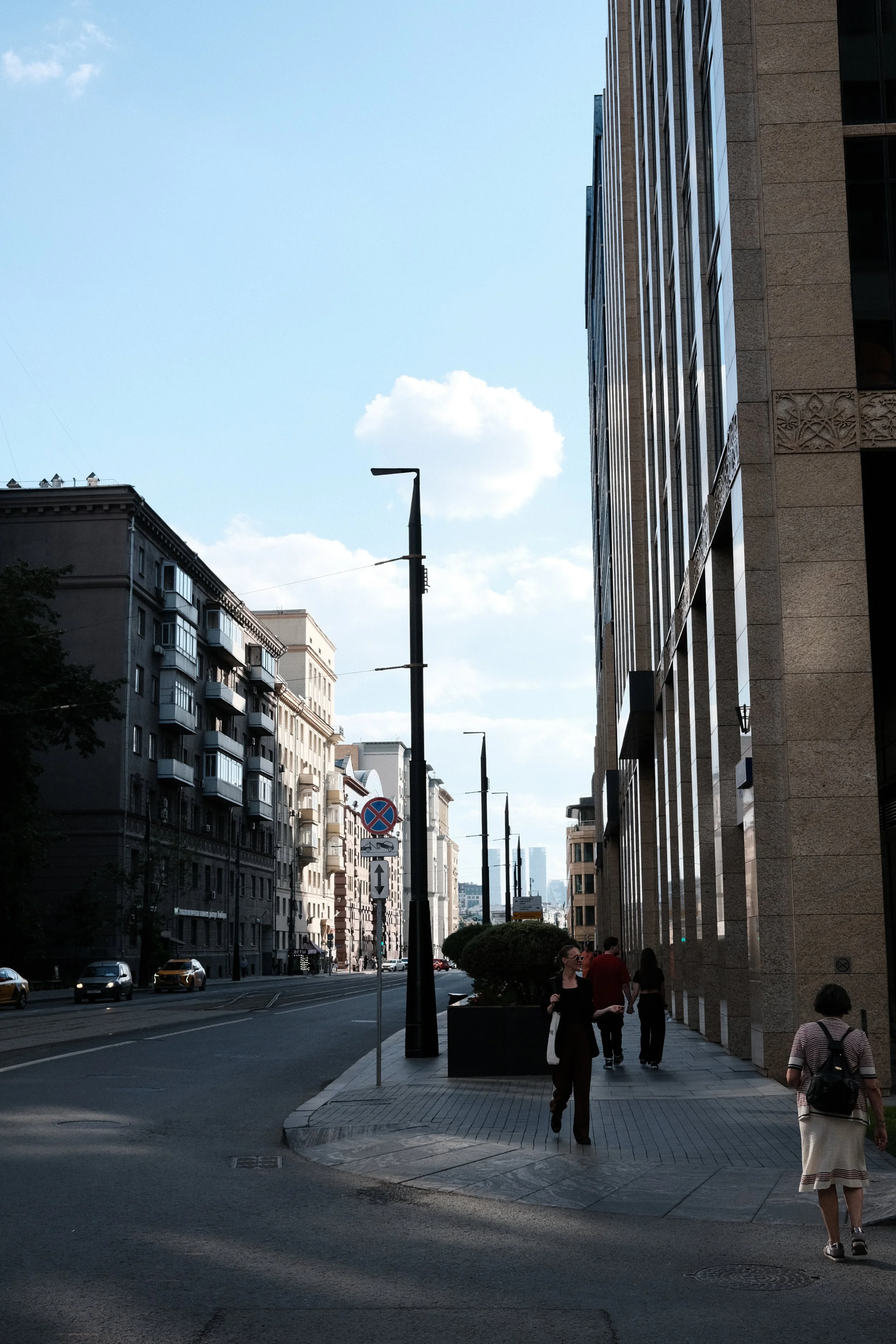

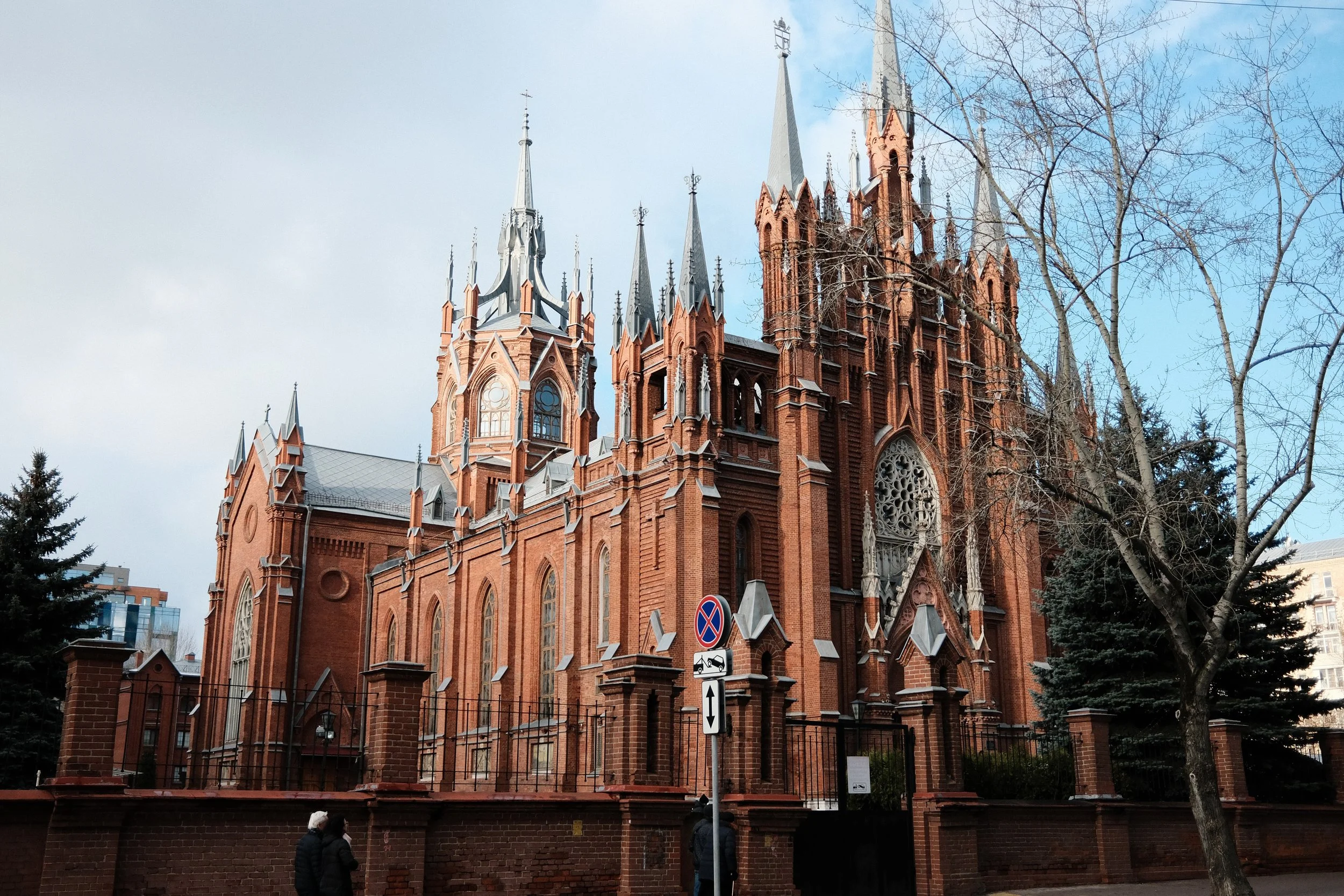

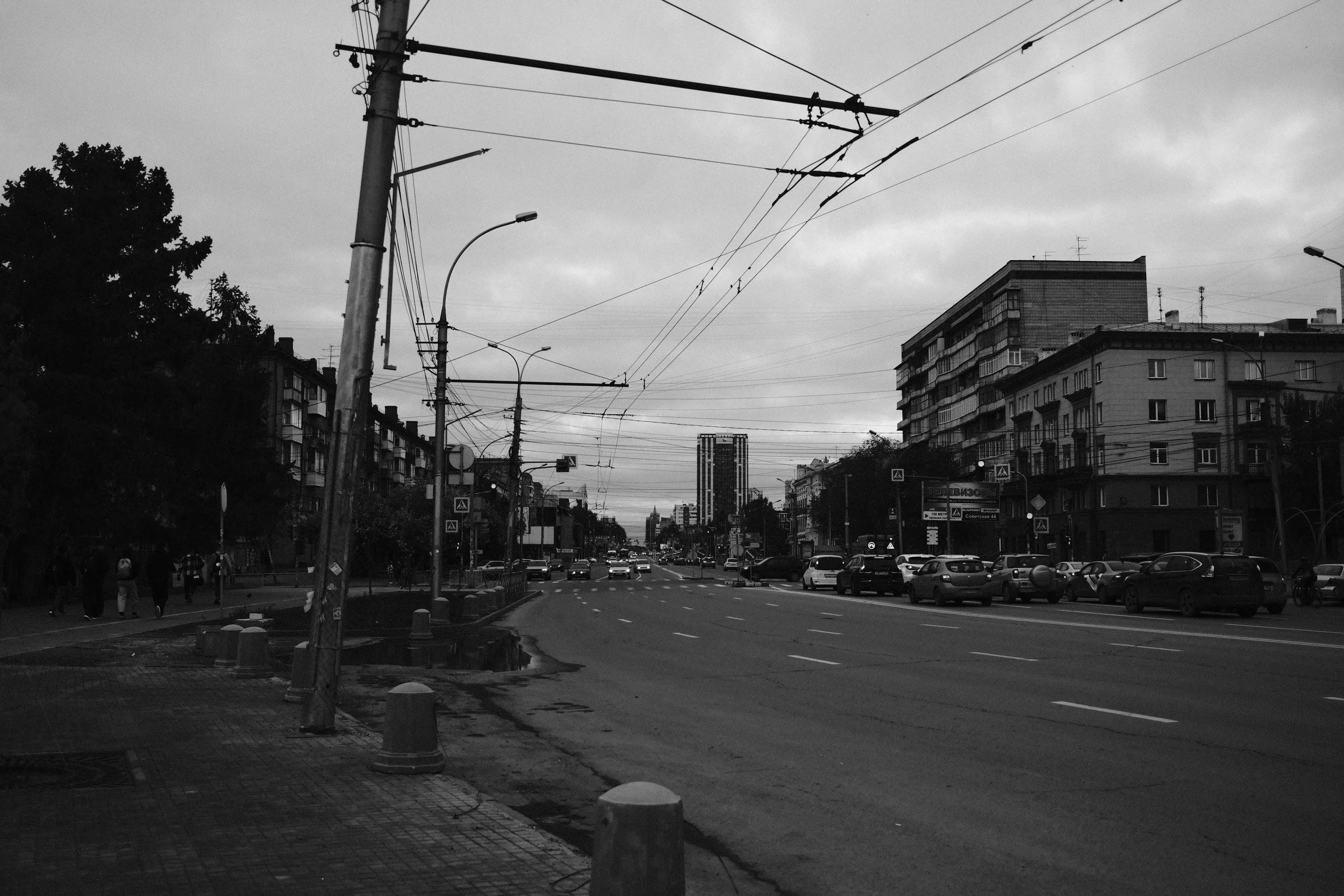

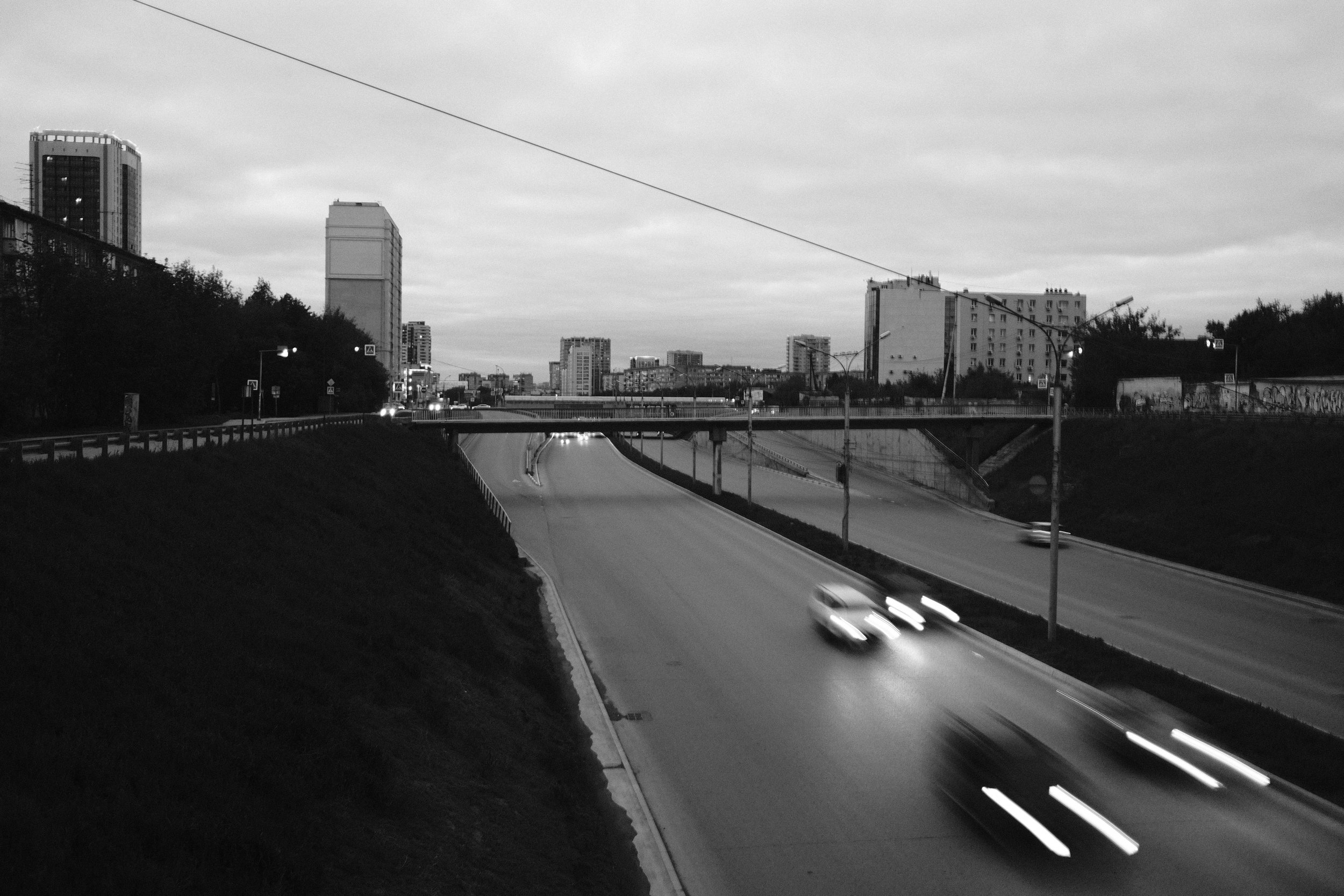


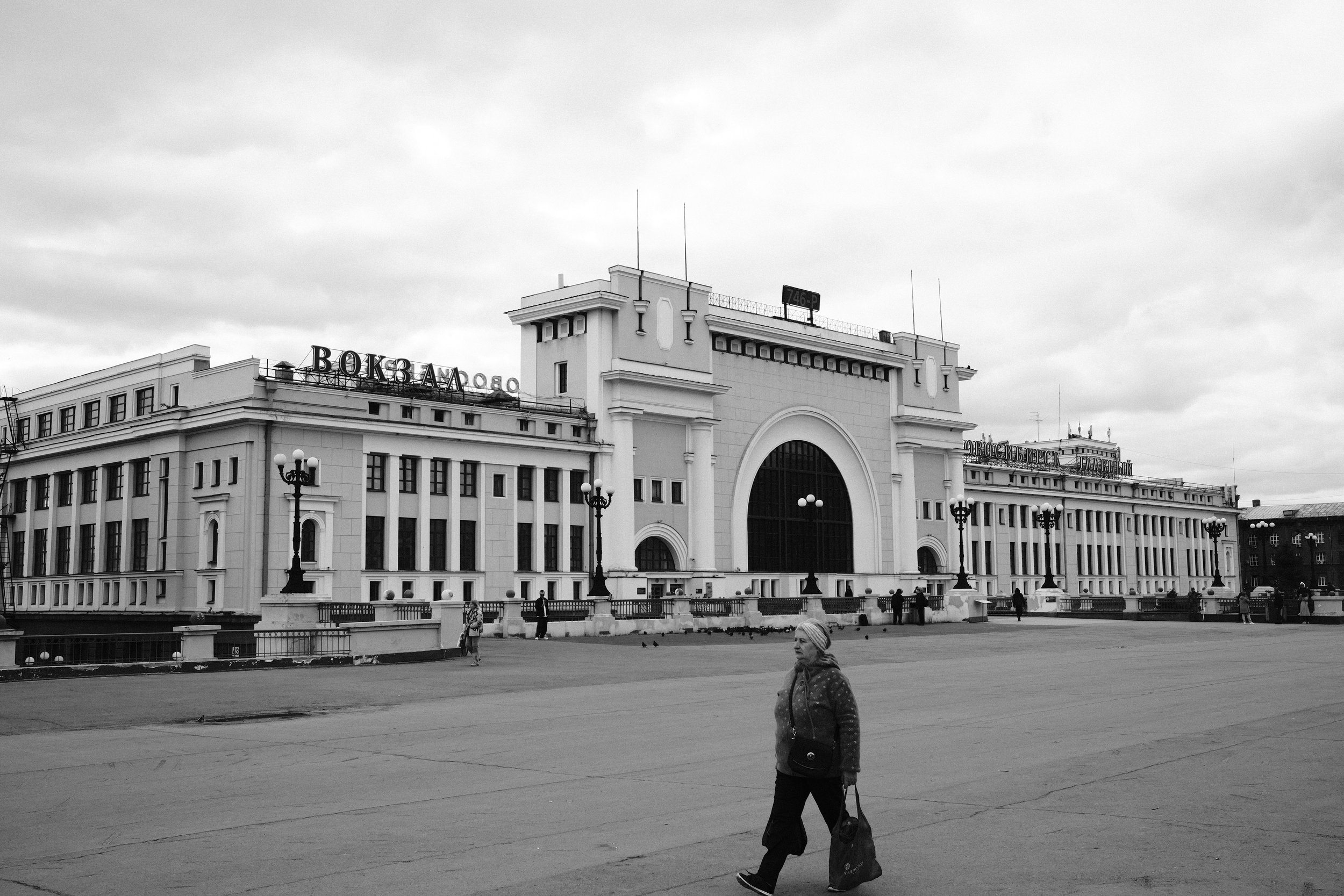
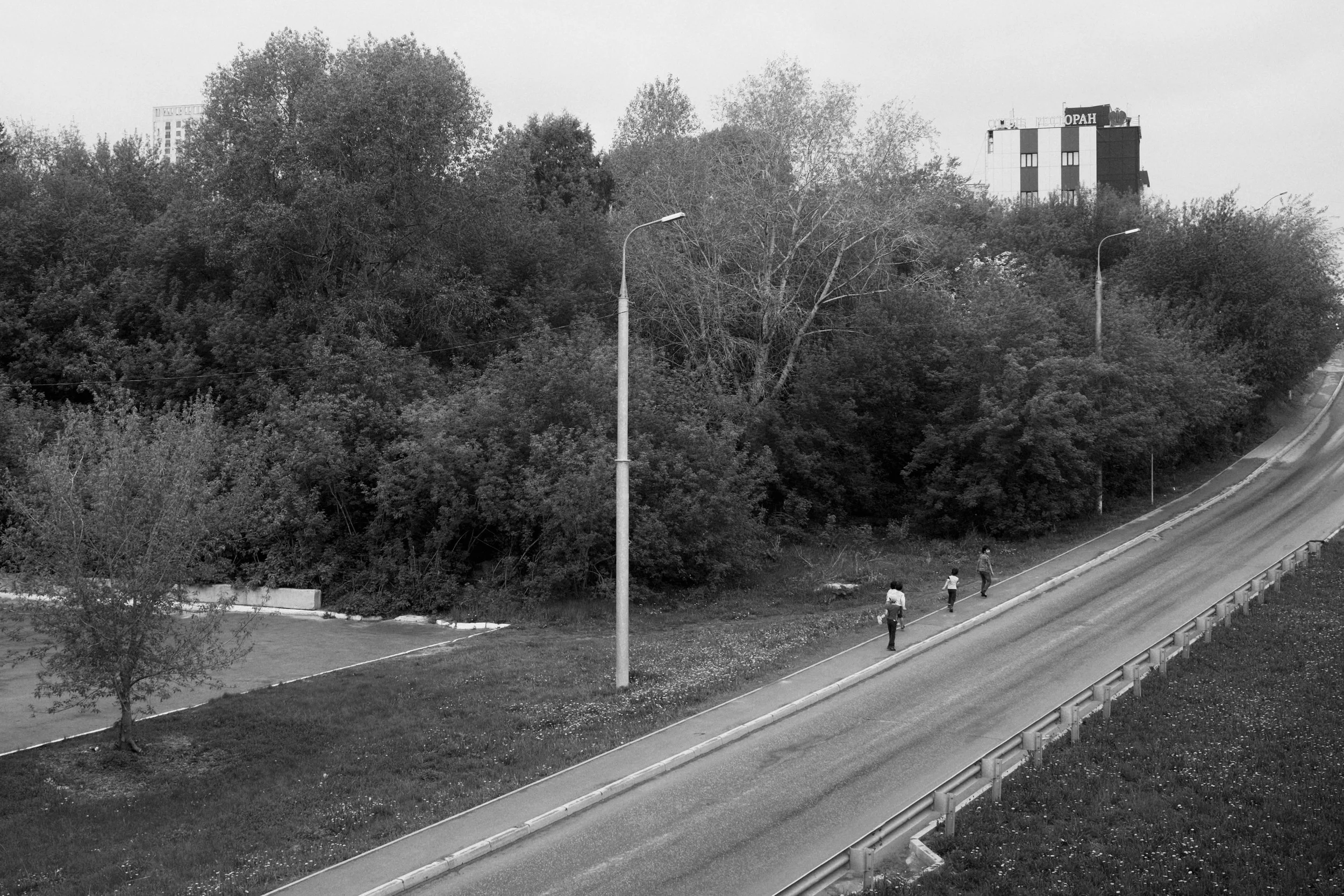
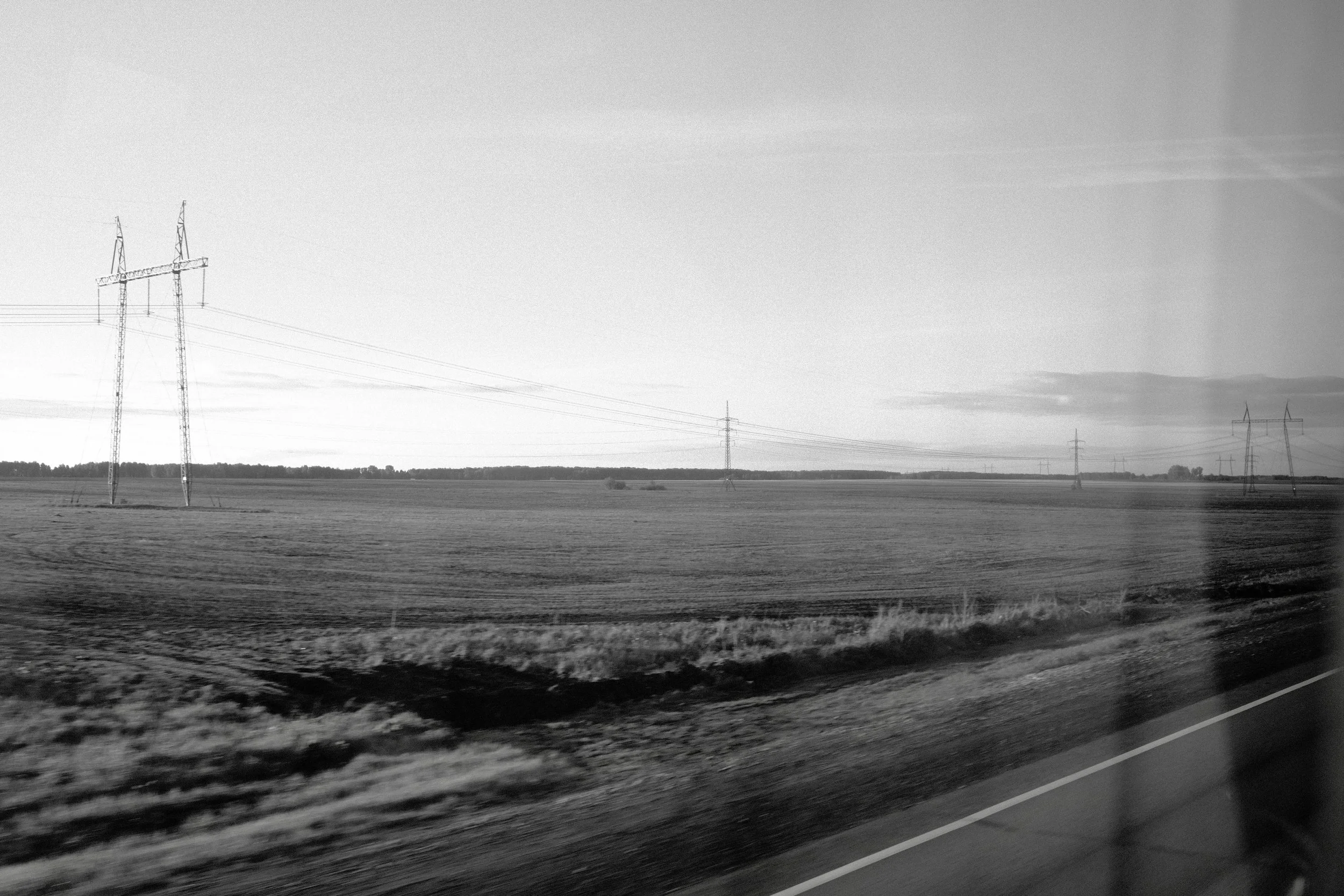

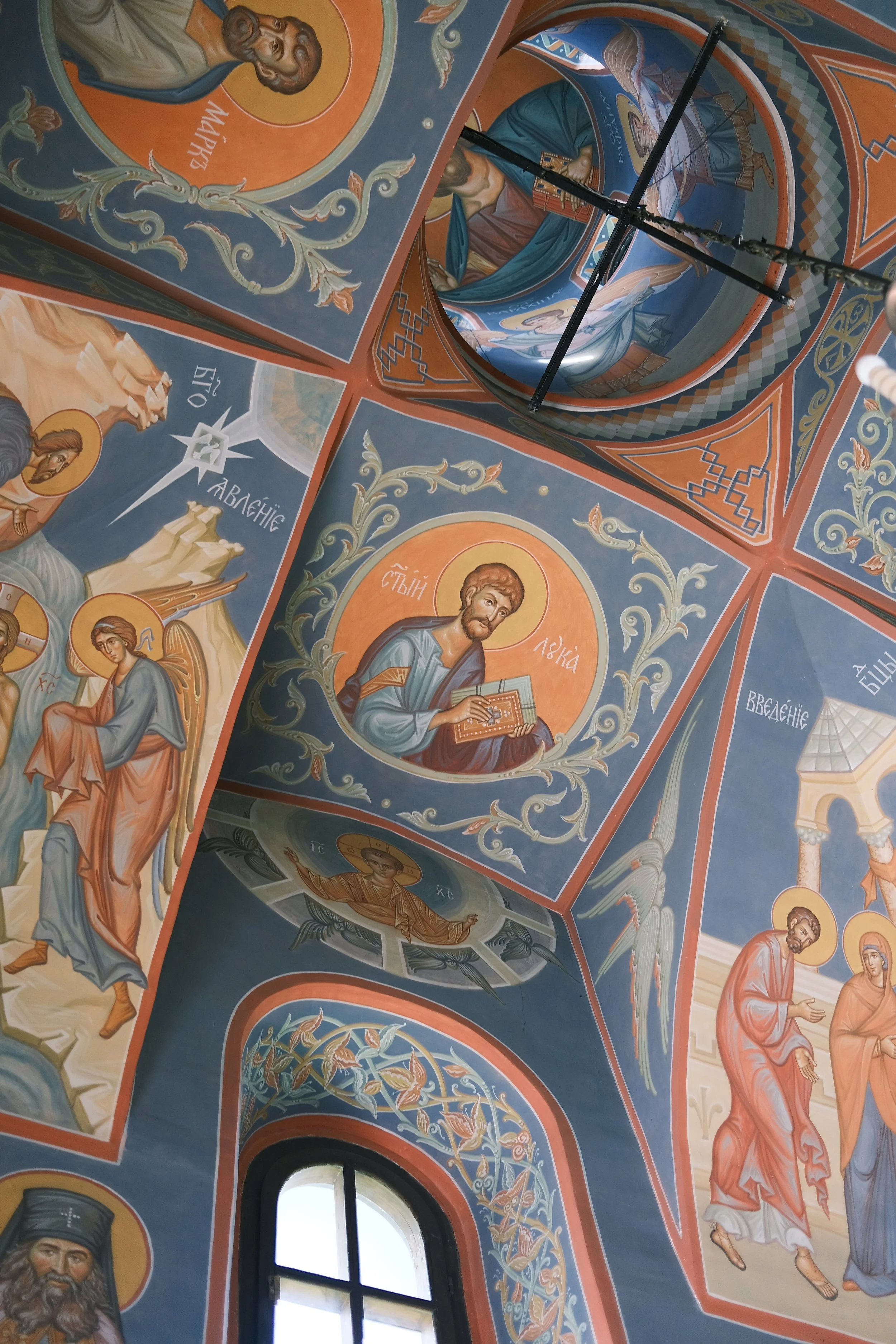











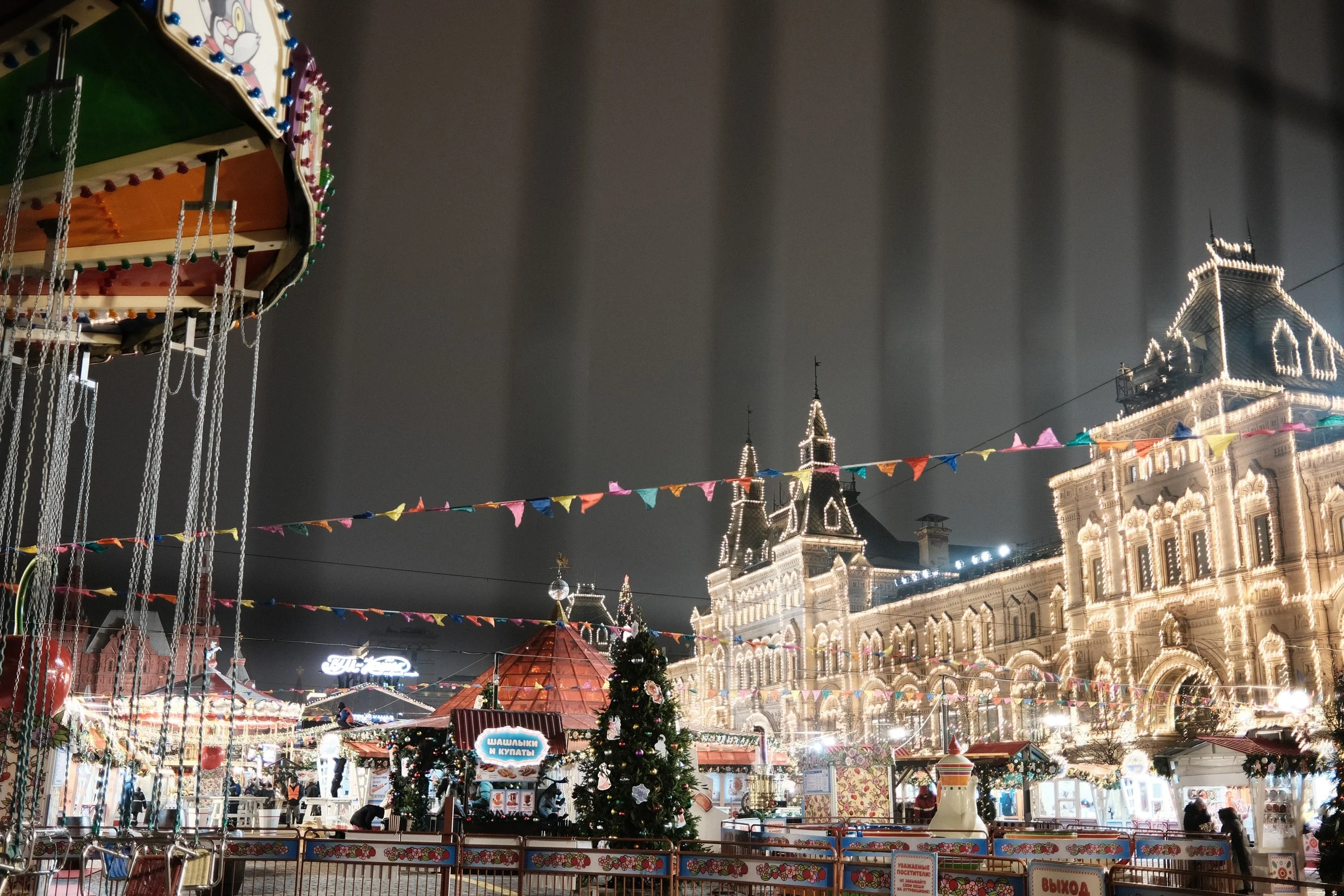
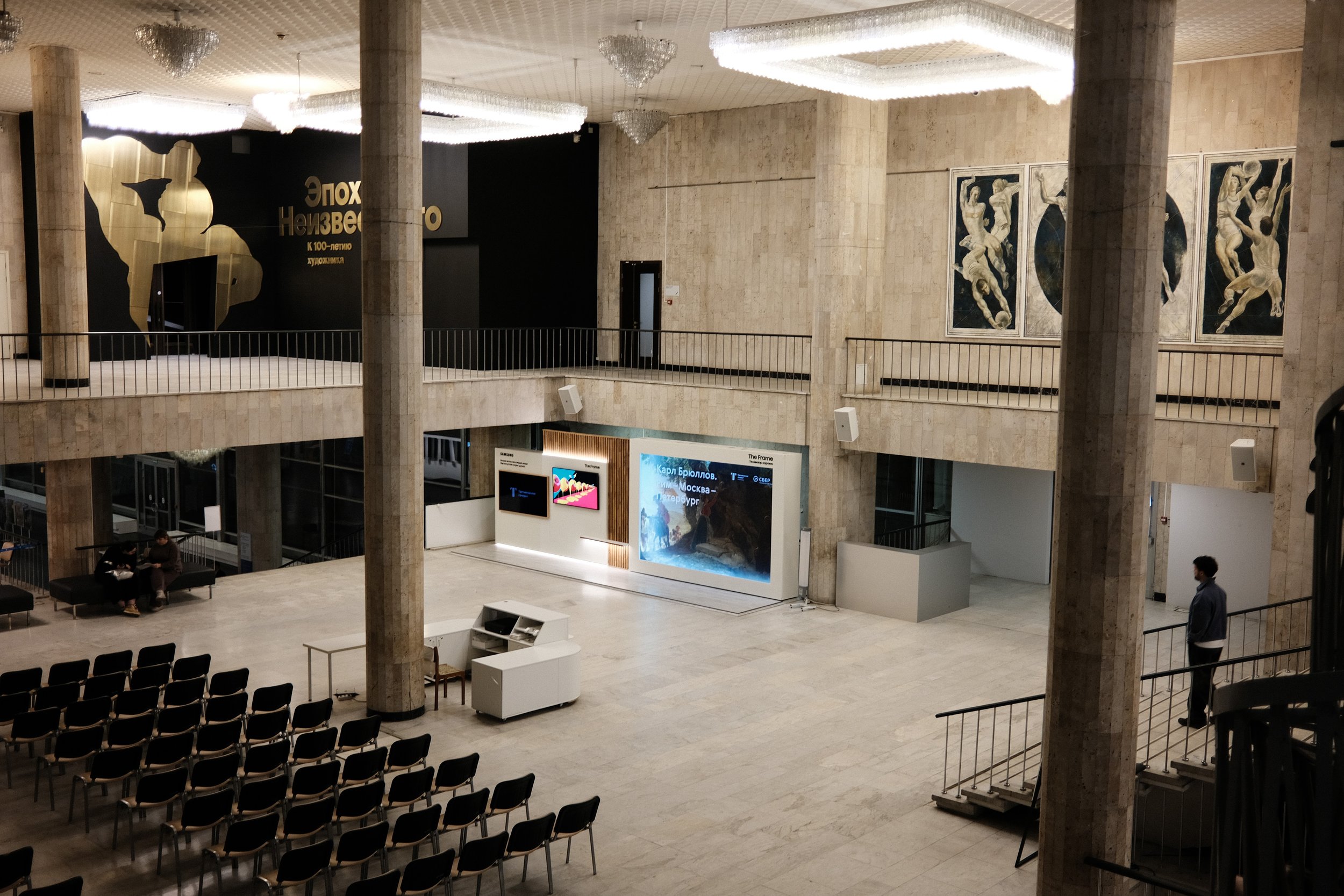



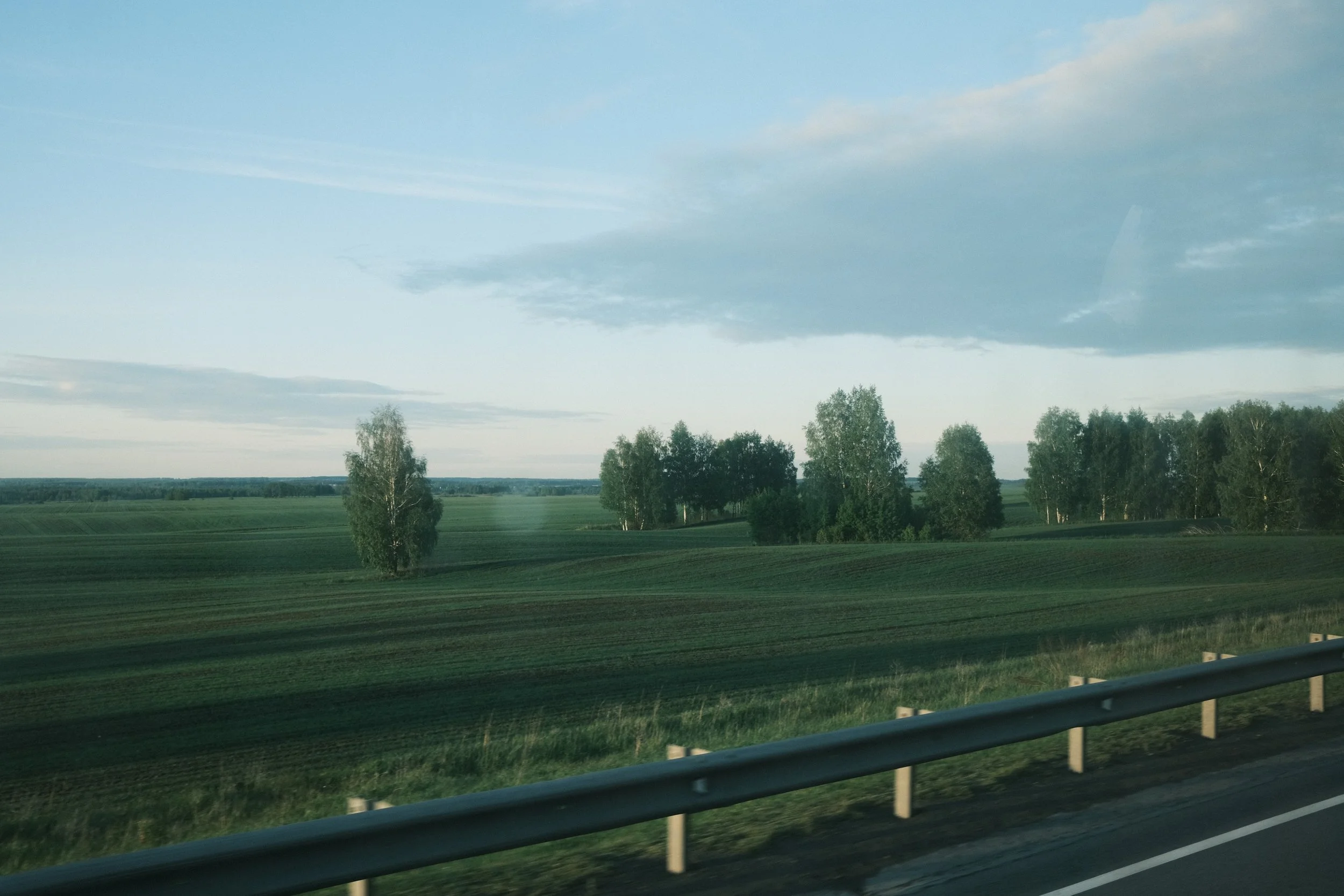
He returns to life itself—free from past attachments and expectations, only himself and the morning light with each dawn. He feels the weight of life, yet also senses his breath and heartbeat. Every small movement reminds him: he is still alive, still has a chance. Pedestrians pass swiftly by; the city’s clamor flows like water, washing through his thoughts—but he has learned to stand still within the current.
He sees his past mistakes, hesitation, and flight—missed opportunities, lost directions, emotions he refused to face—all lingering behind him like shadows. He knows denial only makes the shadows heavier; blame only weighs down the soul. So he begins to forgive—forgiving himself, forgiving his former weakness, even forgiving those who once hurt him. He understands forgiveness is not ignoring truth—it is acknowledging it, accepting it, so that the past no longer chains him but nourishes his forward journey.
With every breath, he practices forgiveness. It is not forgetting—but choosing not to be bound by resentment. He sets down anger and pain as gently as placing a clenched stone into a river—the water carries it away. The wind brushes his face; he closes his eyes, feeling warmth and moisture in the air—as if the world whispers softly : everything can begin again.
He also begins to change—but not through sudden miracles. Change comes in small choices, in quiet persistence. He practices patience in daily routines; focus at work; kindness in life. He learns to face fear instead of fleeing; admit imperfection without self-condemnation; reconcile with himself instead of resisting. Each shift is a quiet declaration: I can still become more real, more gentle.
He discovers that a smile holds strength—and a reminder. When he smiles at himself in the mirror—not to hide wounds but to acknowledge that life remains warm, that hope endures—he finds meaning in it. On city streets he smiles at strangers; their returning glances give him faith: kindness still lives deep within hearts—and so too can he offer kindness back into the world. A smile is not empty expression—it is affirmation of self and life—a quiet courage.
He learns to feel life’s weight in silence—and its lightness through action. The scent of morning coffee, flowers blooming by the roadside, sunlight on the windowsill—all remind him: even when life doesn’t go as wished—he can still choose tenderness and kindness. He begins writing down thoughts, feelings, plans—recording every confusion, anxiety, hope—so he may see traces of growth.
He realizes forgiveness, pardon, change and smiling are not one-time tasks—but daily practice. Each fall is not failure but learning; each emotional wave not an obstacle but a signal to meet himself more honestly. Every moment is new—he can choose hope and gentleness—and keep walking forward.
He no longer demands perfection from himself nor expects smooth sailing from life. All he needs is breath each day—choices each day—smiles each day. He believes even if the world remains complex and trials persist—he still holds power to embrace kindness and remain tender-hearted. Forgive yourself so past becomes nourishment; forgive life so pain becomes lesson; change yourself so every now becomes a fresh beginning; smile at the world so hope stays alive within.
In this belief—he walks softly through city streets—not hurriedly but with calm eyes full of gentle resolve. Wind stirs his hair; he smiles—Life is worth living—I still have time—I can live gently, kindly, truly—still today.